Windows
A guide to A-rated energy efficient windows
Published 14 July 2026 by Dawn Radford
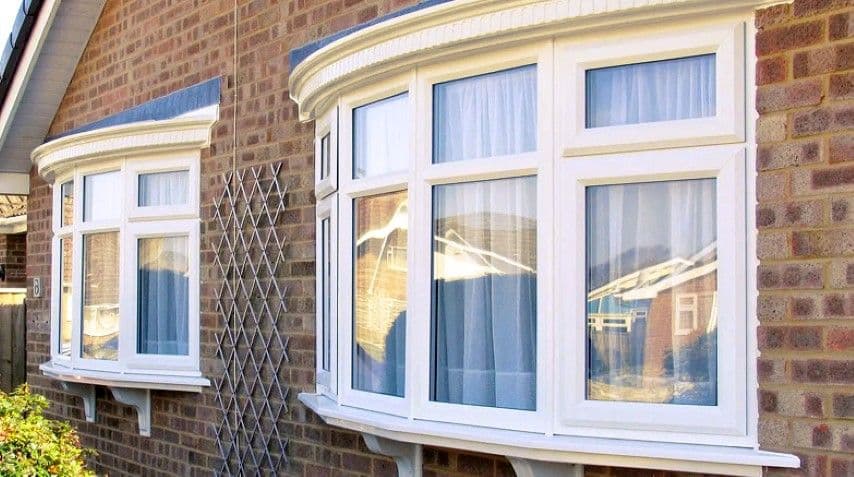
A-rated energy efficient windows are the most efficient grade of window widely fitted in UK homes, and for most properties they are now the sensible standard rather than an upgrade. They keep more heat inside, cut draughts, reduce condensation and make rooms more comfortable to live in, especially through the colder months. If you are replacing old or failing windows, choosing A-rated glazing is one of the most effective ways to make a home warmer and quieter without changing anything else about it.
This guide explains what the A rating actually measures, what it does in a real home, how the different parts of a window work together to earn that rating, and how to make sure the windows you buy genuinely deliver on the label. The rating is a reliable starting point, but as we will explain, specification and installation decide whether you get the full benefit.
What does an A rating actually mean?
Window energy ratings in the UK are run by the British Fenestration Rating Council. The system works much like the energy label on a fridge or washing machine, running from the top performers down through the lower grades, giving you a single figure to compare windows like for like. The higher the rating, the less heat the window loses, and in many cases the more useful warmth it allows in from the sun while keeping the cold out.
The crucial point is that the rating measures the whole window as a complete unit, not just the glass. It takes in the frame, the glazing, the gas sealed between the panes and the spacer bars around the edge of the unit. That matters because a window is a system, and the rating reflects how well all those parts perform together rather than how good any single component is in isolation.
Piper Windows has been supplying and fitting A-rated energy efficient windows across Lincolnshire since 1983, now across three generations of the same family. We supply our windows A-rated as standard rather than treating it as an optional extra, because in our experience it is the specification that makes the most consistent difference to how a home feels through a Lincolnshire winter.
What makes a window energy efficient?
Several components work together to earn that A rating, and understanding them helps you judge whether a window is genuinely well made or simply badly described.
The glazing does the obvious work. Two panes of glass with a sealed gap between them slow the movement of heat, and that gap is usually filled with an inert gas that insulates better than ordinary air. One pane is typically coated with a thin, invisible layer that reflects heat back into the room while still letting light through, which is a large part of what separates a modern efficient unit from older double glazing.
The spacer bar around the edge of the sealed unit matters more than most people realise. Older units used metal spacers that conducted cold straight to the edge of the glass, which is why the edges misted and felt cold. Warm-edge spacers reduce that, keeping the inner pane closer to room temperature and cutting condensation.
The frame is the final piece. A quality multi-chambered frame traps pockets of air that insulate, and it holds the glazing securely and squarely so the seals can do their job. A cheap, thin frame undermines even good glass, which is why the rating looks at the window as a whole rather than the panes alone.
What difference do they make in a real home?
The benefits people actually notice fall into a few clear areas, and they are rarely the ones brochures lead with.
The first is warmth that stays put. Better glazing and a well-sealed frame slow the rate at which heat escapes, so rooms hold their temperature longer after the heating switches off. The second is the end of cold spots. We have found that the most common complaint before a replacement is not a high heating bill but the feeling of sitting near a window and being cold even with the radiator on. Good A-rated units remove that draughty, radiating chill.
The third is condensation. Warm-edge spacers and properly sealed units keep the inner pane warmer, which reduces the misting and pooling water that older windows suffer on cold mornings. The fourth, which people rarely expect, is noise. Tighter sealing and better glazing knock back outside noise, which is welcome on busier roads and exposed plots.
From working with clients across the county, the feedback that comes up most is comfort rather than a single dramatic figure on a bill. People tell us a room they used to avoid in winter has become usable again. That is the real return, and it is one of the reasons we always encourage homeowners to think about how a window will make a room feel, not just how it scores on paper. The same priorities matter when choosing the right local team to fit them, which is something we cover when homeowners ask what to look for in professional window fitters in this area.
Specification and installation decide the real result
Here is the part of the guide we would most want you to take away. Two windows can both be labelled A-rated and look almost identical in a showroom, yet perform very differently after a few winters. What separates them is the quality of the components and the standard of the fit.
In our experience, a quality A-rated uPVC casement window works better than a cheaper budget unit carrying the same rating because the multi-chambered frame, warm-edge spacers and properly fitted weather seals hold their performance for years, where thinner low-spec frames and inferior seals start letting draughts and condensation creep back in within a few seasons. The casement is our most popular style for exactly this reason, sealing tightly all the way round and holding up well to weather. The rating tells you the window’s potential. The build quality tells you whether it will still be delivering that years later.
Installation is the other half. Even an excellent window will draught and leak if it is fitted poorly, because the whole assembly has to keep weather out as a system. We handle projects with our own in-house team from survey through to completion rather than subcontracting the fit, which keeps the standard consistent and means the people who quoted the job are accountable for it. If you want a deeper sense of why local fitting standards matter so much, particularly on exposed coastal plots, our advice for homeowners choosing a trusted installer near Skegness sets out the questions worth asking.
It is also worth knowing that replacement windows must comply with building regulations, and a registered installer certifies and registers the work for you. We are a FENSA registered installer, which means your installation is documented and compliant, something a buyer’s solicitor will ask about when you eventually sell.
When A-rated windows are the right choice
For the great majority of homes, A-rated energy efficient windows are the natural choice. They are clearly worth it if you are replacing single glazing, replacing double glazing that has misted or blown, or dealing with persistent draughts and condensation. In all these cases the difference in comfort is immediate and the price gap over a lower grade is usually small relative to the long-term benefit.
The honest exception is if your existing windows are already modern, sealed and performing well. In that case the gain from a marginal rating improvement alone may not justify the spend, and we would always tell you that straight rather than sell you windows you do not need.
The bottom line
A-rated energy efficient windows are about more than a label. The rating gives you a reliable way to compare windows, but the real-world result depends on the glazing, the spacers, the frame and, above all, the standard of the installation. Get those right and you gain a home that is warmer, quieter and more comfortable, with less condensation and fewer cold spots, for decades.
If you would like advice tailored to your own home, the best step is to have someone who fits these windows every week take a look. You can get a free no-obligation quote, explore the window range in our brochures, or call us directly on 01754 898 998. We have spent more than 40 years helping Lincolnshire homeowners choose windows that genuinely deliver, and we will always give you honest guidance on what will work best for your home.
Thinking about new windows, doors or a conservatory? Request a free no obligation quote or call us on 01754 898 998.