
Fascias & Soffits
Vented eaves and soffits
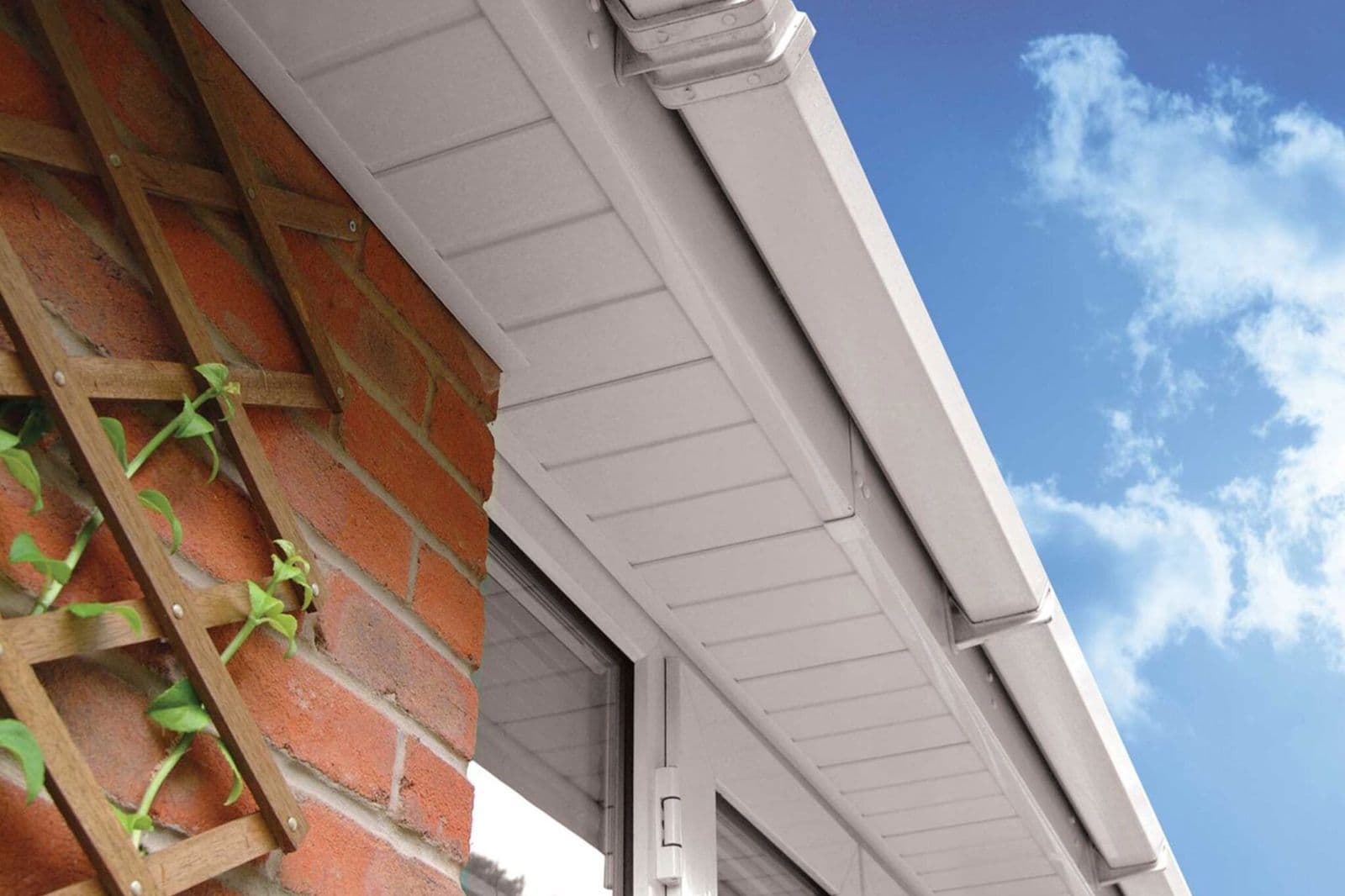
A vented soffit lets air move into and through the roof space at the eaves. That airflow is what stops moisture building up in the loft, and moisture in a loft is what leads to damp timbers, sagging felt and pooling water.
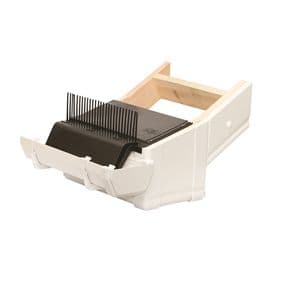
It is one of those details nobody thinks about until something goes wrong, and then it turns out to be the cause. If a roofline is being replaced anyway, this is the moment to get the ventilation right.
The vents are sized to let air in and keep birds and vermin out, so the roof space stays dry without becoming somewhere for things to nest.
What you get as standard
- Effective way to ventilate your roof space
- Prevents the roof felt from sagging and stops pools of water from forming
- Prevents birds and vermin getting into roof space
Worth knowing
What to think about before you choose
How much ventilation a roof needs
It is set by the roof type and its pitch rather than being one figure for every house. A cold loft and a room in the roof need quite different things, which is why it is worked out rather than assumed.
Over fascia vents
Where the soffit is too narrow to vent, or there is no soffit at all, a vent at the top of the fascia does the same job. It is the usual answer on a roof that comes down tight to the wall.
Insulation blocking the airflow
Loft insulation pushed hard into the eaves is the most common reason a ventilated soffit does nothing at all. Eaves trays keep the path open and cost very little while the roofline is off.
More fascias & soffits
Other styles we fit
Free, with no obligation
Get an accurate price for your project
Tell us what you are thinking of and we will come out, measure up and give you a detailed quote. No hard sell.
Call the office
Email us
Opening hours
- Monday to Friday9am to 5pm
- SaturdayBy appointment
- SundayClosed