Roofline
Signs your fascias and soffits need replacing
Published 23 August 2026 by Dawn Radford
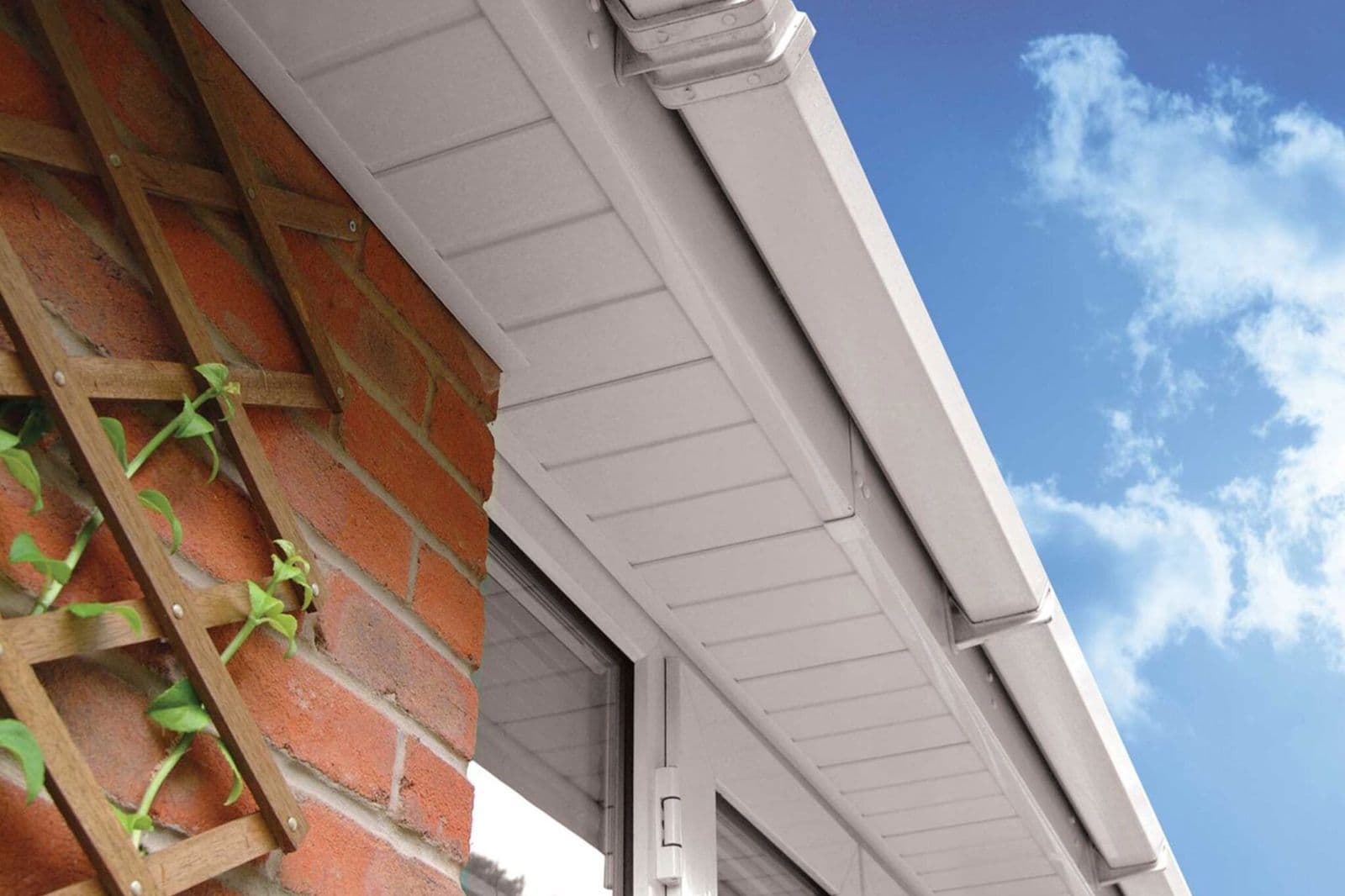
Fascias and soffits need replacing when the boards have started to sag or bow, when the timber behind them has gone soft or flaky, when green and black staining is running down the soffit, when gaps have opened at the joints or ends, or when damp has begun showing on the upstairs walls inside. Any one of those is worth a proper look. Two or more together usually means the timber has been taking water for a while and patching it is no longer the sensible option.
The reason this matters more than a scruffy board is that the fascia carries the guttering and the soffit closes off the roof space. Once either lets water in, the damage moves inwards to the rafter feet, the wall plate and eventually the ceilings, and the repair stops being about roofline at all. Below is how to check yours honestly from the ground, and how to tell a cosmetic problem from one that is costing you.
What you can see from the ground
You do not need to get up a ladder to make a decent first assessment. Stand back far enough to see the whole run of the eaves and look along it rather than at it, because a bowed or dipping fascia shows up as a wave in what should be a straight line. A fascia that has begun to sag is nearly always a fascia that has softened, because the board is being asked to hold the weight of a full gutter in wet weather.
Then look at the colour. Green algae streaks and black staining on a soffit are telling you water is running where it should not, usually from a gutter joint or a blocked outlet just above. Flaking or bubbling paint on timber boards means moisture is getting behind the paint film, and once that starts the timber underneath is already wet. On uPVC, look instead for boards that have gone chalky and brittle, or for joints that have opened up and are no longer closing off the run.
Finally, look at the ends and the corners. Gaps at the joints, at the corners, or where the roofline meets the wall are the places birds and wasps get into a roof space. We have found that a nest discovered in the eaves is one of the more common reasons somebody first rings about roofline, and by the time there is a nest there has usually been a gap for a season or two.
The signs that show up indoors
Some of the clearest evidence is not on the outside of the house at all. Damp patches on the upstairs walls, particularly in the corners of bedrooms and on the side of the house that takes the weather, are frequently a roofline problem being blamed on something else. Water overtopping a blocked gutter or escaping a failed joint runs down the wall face, soaks the brickwork and appears inside.
Musty smells in a loft, damp insulation near the eaves, or daylight visible where the roof meets the wall are all worth investigating. So is a gutter you can hear rattling or slapping in the wind, because that usually means the brackets have lost their grip on softened timber.
Why this coast is unusually hard on roofline
Roofline on the Lincolnshire coast does not get an easy life, and this is where local experience genuinely counts for something. Salt-laden air, near constant wind and wind-driven rain hitting the eaves at an angle all shorten the life of a roofline installation compared with a sheltered inland property.
From fitting across Skegness, Winthorpe, Spalding and the villages between since 1983, the pattern is predictable enough that we look for it. The seaward elevation almost always goes first, sometimes years ahead of the sheltered side of the very same house, which is why a partial replacement on the weather side can be a perfectly sensible piece of work rather than a bodge. Gutters here fill with wind-blown debris and fine sand faster than most people expect, so outlets block sooner. And exposed runs take a wind loading that pulls at fixings, which is why brackets and board fixings matter as much as the boards.
It is the same exposure that shapes what we specify elsewhere on a house. The reasons certain windows suit coastal homes better than others come down to the same salt, wind and driving rain acting on the parts that face them.
Capping over the old timber, and why we do not recommend it
There are two ways to deal with tired roofline. One is to clad over the existing timber with a uPVC capping board, leaving the old fascia in place. The other is to take the old boards off entirely and fit new.
In our experience, full replacement works better than capping over the existing timber because capping hides the condition of the wood rather than dealing with it, and if that timber is already damp it carries on rotting behind a board nobody can now inspect. It also leaves the new gutter brackets fixed through a cosmetic layer into wood that may not hold them in a few winters. Stripping back means we see the rafter ends and the wall plate, we can flag anything that needs attention while the access is there, and the fixings go into something sound.
Capping is quicker and cheaper on the day. It is a reasonable option only where the timber underneath has been properly checked and is genuinely dry and solid, which is a much smaller share of houses than the price difference would suggest.
The ventilation point that gets missed
This is the detail that separates a roofline job done properly from one that causes a problem it did not have before. A roof space needs to breathe. On many older houses that ventilation happens almost by accident, through gaps in tired timber boards and open eaves.
Replace all of that with a sealed run of new uPVC and you can close the roof space up completely, and then the moisture that rises out of the house has nowhere to go. What follows is condensation in the loft, damp insulation and, given long enough, rot in the very timbers the new roofline was meant to protect. It is a genuinely common fault and it is entirely avoidable, which is why vented soffits and vented eaves are part of how we specify a replacement rather than an upgrade somebody has to ask for.
Guttering is part of the same job
It is usually a false economy to replace fascias and soffits and put the old guttering back up. The gutter has to come off anyway for the boards to be replaced, the old brackets rarely line up cleanly with a new fascia, and a tired gutter is what caused most of the damage in the first place.
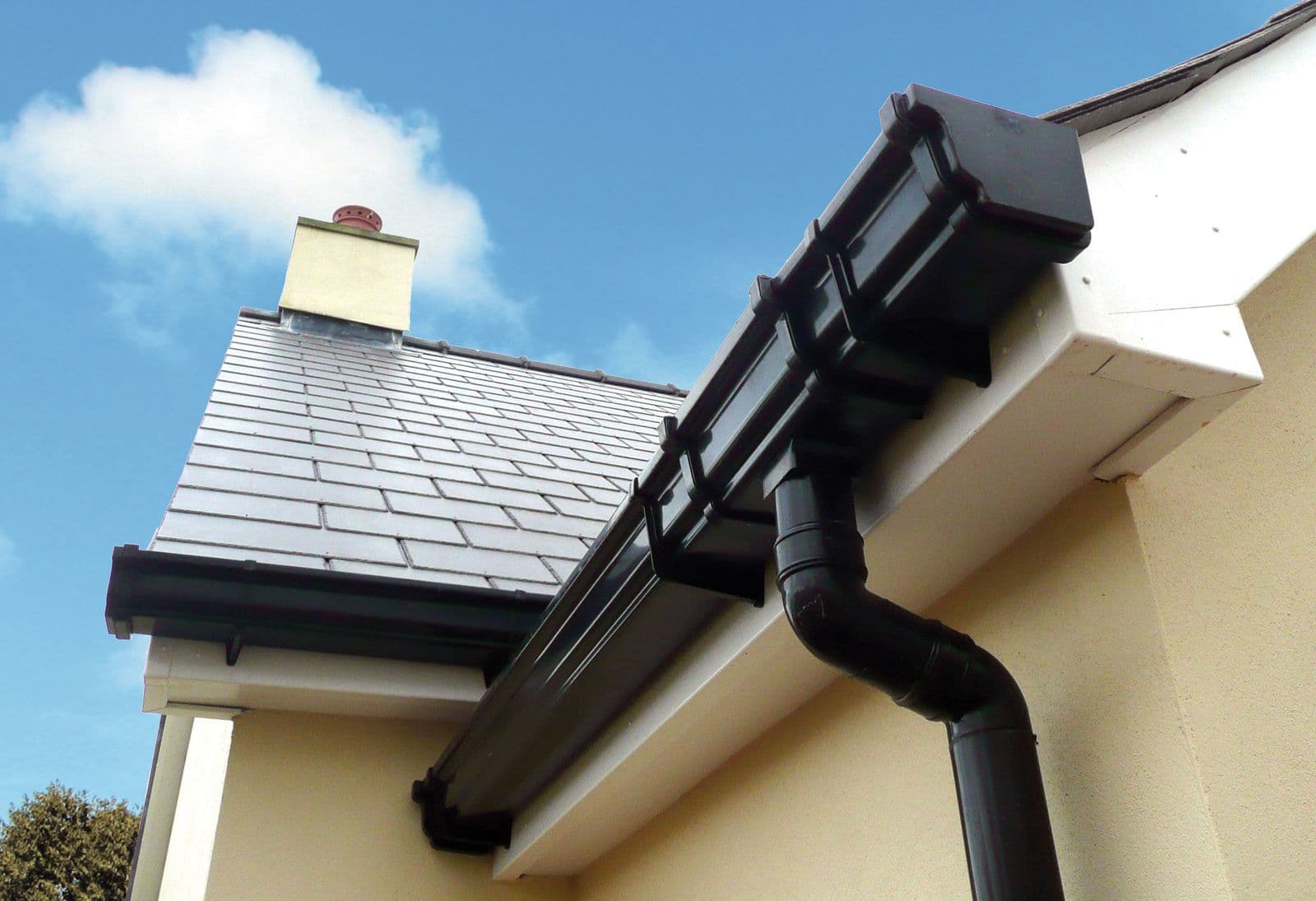
We fit guttering in half round, ogee and square profiles, so the run can match the character of the house rather than defaulting to whatever is on the van. Alongside the boards we also fit external cladding and Tudor cladding where a property calls for it. All of it sits on our fascias and soffits service, and where a run has a leak or a broken section rather than a whole-house problem, our repairs service covers that too, including work originally fitted by somebody else.
When to have it done
If the access is already going up for other work, use it. Roofline is one of the jobs that costs noticeably less when it is done alongside something else at the same elevation, and a good number of our customers have their boards and gutters done in the same visit as their window installation for exactly that reason.
Otherwise, the honest advice is not to wait for a board to fail visibly. Roofline gives plenty of warning, and the difference between replacing boards and replacing boards plus rafter ends is usually a couple of seasons of ignoring the staining.
The short version
Sagging or bowed boards, soft or flaking timber, green and black staining, open joints, nesting birds, rattling gutters and damp on upstairs walls are the signs worth acting on. Capping over old timber is rarely the right answer, ventilation has to be designed in rather than assumed, and the guttering belongs in the same job as the boards.
If you would like somebody to look at yours and tell you plainly whether it needs doing now or can wait, Piper Windows will come and assess it. You can get a free no-obligation quote or ring us on 01754 898 998. We have been fitting roofline on this coast since 1983, and we will tell you if what you have got has life left in it.
Thinking about new windows, doors or a conservatory? Request a free no obligation quote or call us on 01754 898 998.