Doors
What is the most secure type of front door?
Published 27 August 2026 by Steve Radford
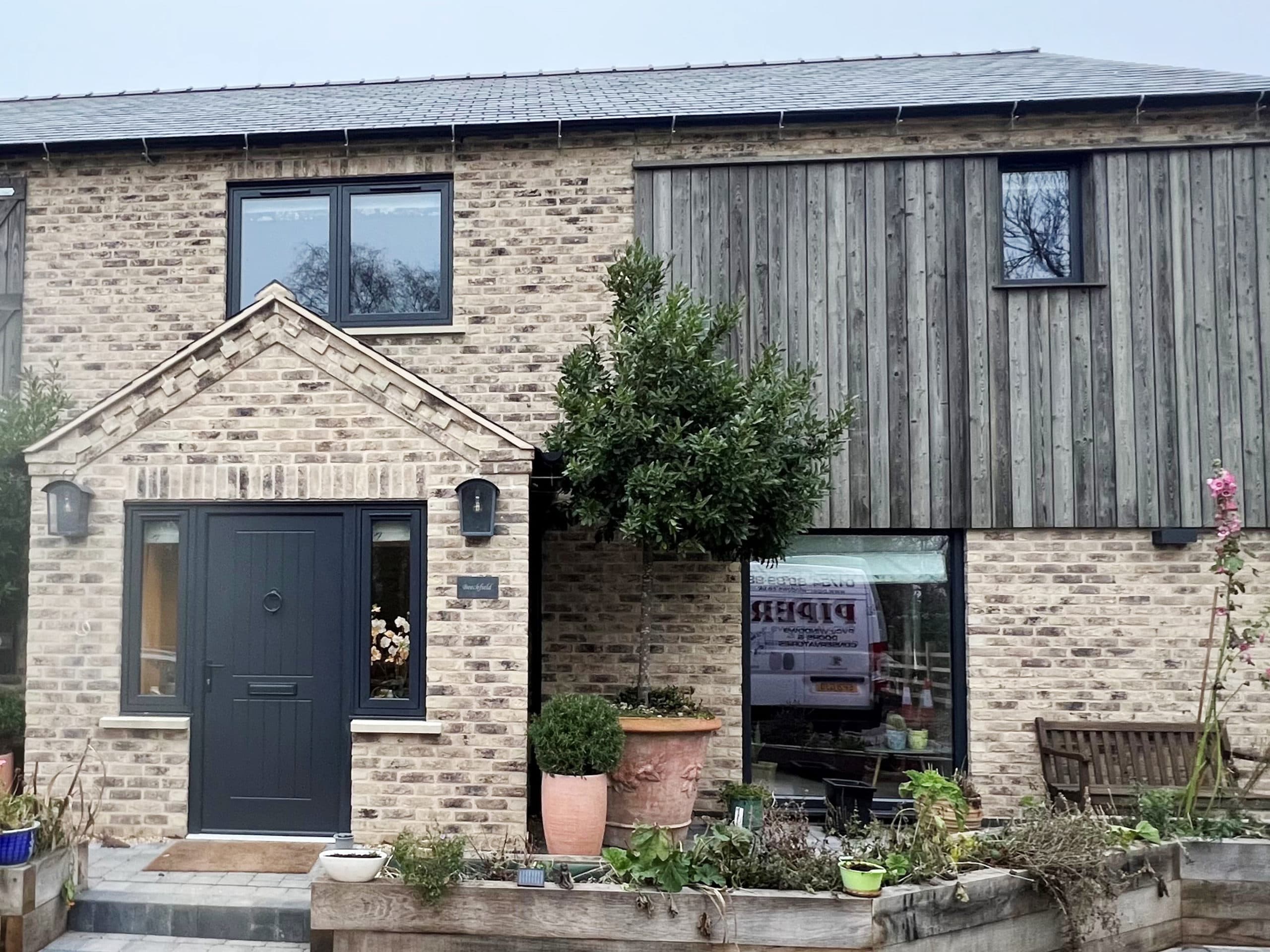
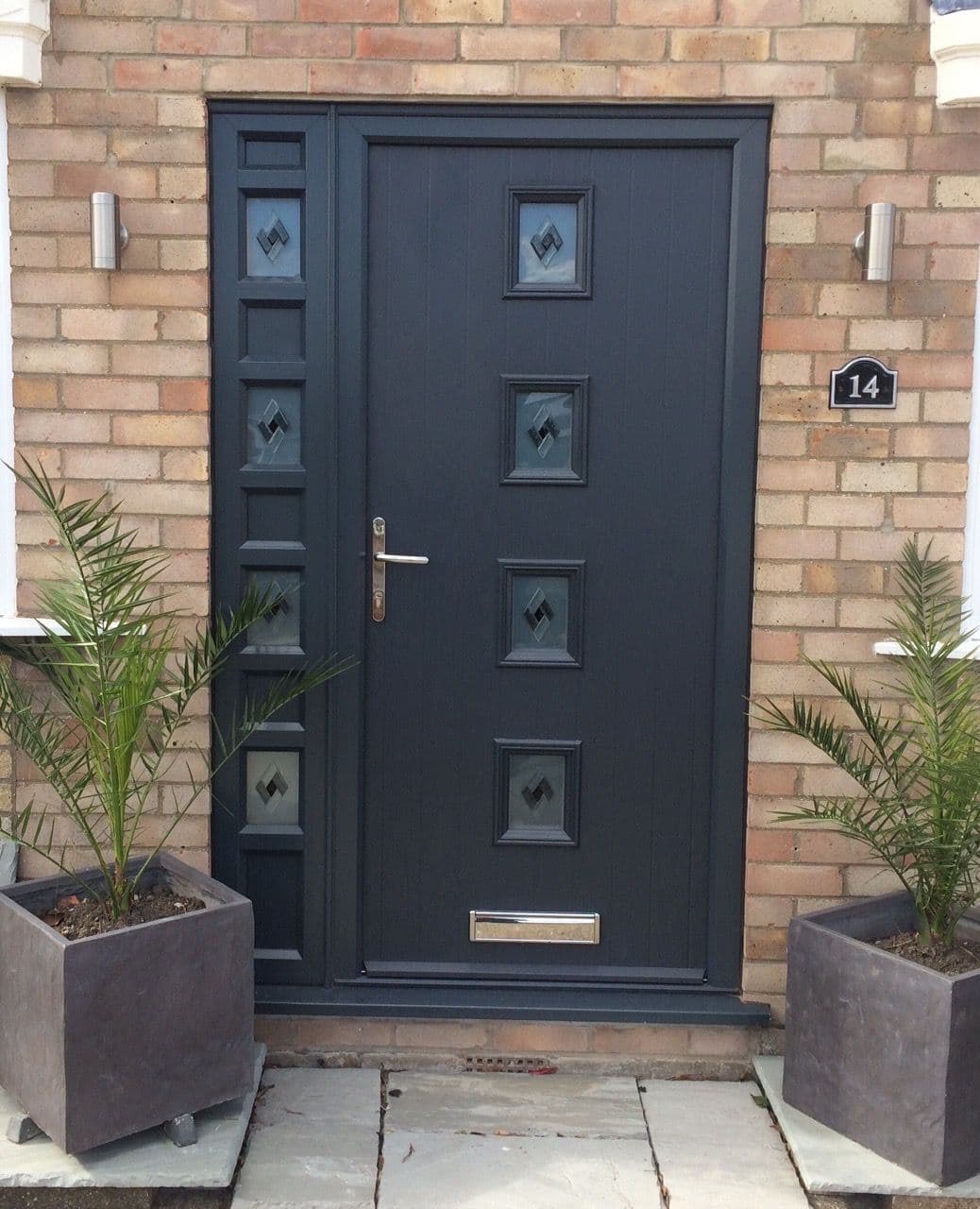
The most secure type of front door for a typical home is a composite door, hung on a solidly fixed frame, running a multi-point locking system and fitted with a 3-star anti-snap cylinder such as a Yale 3-star or an Ultion. That combination resists the methods burglars actually use on domestic front doors, which is a more useful test than how heavy the door feels when you knock on it.
The part most people get wrong is assuming the door slab is what stops an intruder. It is not. The overwhelming majority of forced entries through a modern front door go through the lock cylinder rather than the door, so a very good composite door on a cheap cylinder is a weaker proposition than an ordinary door on a properly rated one. If you only change one thing after reading this, make it the cylinder.
Why composite comes out on top
A composite door is built up in layers rather than made from a single material. There is a solid core, usually a dense timber or foam composite, wrapped in a glass reinforced plastic skin. That gives you a door that is substantially harder to kick through or split than a hollow panel, while being far more stable than timber against the wet.
That stability matters more than it sounds on this coast. A timber door swells and shrinks with the seasons, and a door that has swollen is a door somebody has been forcing shut, which slowly wrecks the alignment that the locking points depend on. A composite door holds its shape, so the lock keeps engaging the way it was set.
The trade-offs against the alternative are worth understanding properly, and the full comparison of composite versus uPVC doors covers where each one genuinely wins. For security specifically, composite is the stronger starting point.
The cylinder is the real answer
Lock snapping is the technique to understand. A standard euro cylinder can be gripped, snapped at its weak point and the mechanism then manipulated, and it is fast and quiet. It is the reason cylinder standards exist at all.
What you want is a cylinder tested to TS007 3-star, or a 1-star cylinder paired with a 2-star security handle. A 3-star cylinder is built with sacrificial sections designed to break away in a controlled manner, leaving the working part of the lock intact and still holding the door. Yale 3-star cylinders do this, and Ultion goes further with an additional lock that engages when an attack is detected. Ultion holds Secured by Design accreditation, which is the police-backed standard, and it is the one we tend to recommend where somebody wants the strongest option available.
Checking what you have got takes a moment. Look at the face of the cylinder where the key goes in. A rated cylinder is marked, usually with a kitemark and the star rating. If there is nothing there, assume it is a standard cylinder and treat that as the weak point in your front door.
Multi-point locking, and the fault we see constantly
A multi-point lock throws several hooks, bolts or rollers into the frame along the height of the door rather than a single latch at handle height. It spreads the load, so a kick is resisted at the top, middle and bottom rather than at one point.
Here is the thing we find on other people's doors more than almost anything else. If you have to lift the handle hard, lean on the door, or pull it towards you before the key will turn, the door has dropped or the frame has moved, and the locking points are not fully entering their keeps. People live with that for years and think of it as a stiff door. It is not a stiff door. It is a door that is only partly locked, and it is also grinding the mechanism towards failure.
That is a straightforward adjustment in most cases, on the hinges or the keeps, and it costs a fraction of what people expect. It is part of what our repairs service does, on doors we fitted and on doors we did not.
The frame and the fixings matter as much as the door
A locking system can only be as good as what it locks into. We have seen genuinely good doors hung on frames that were packed out badly, fixed into perished mortar, or screwed through into nothing much at all. Under force the frame moves, and once the frame moves the hooks come out of their keeps whatever the cylinder is rated at.
This is the least glamorous part of door security and it is where the quality of the installation shows. A frame set square, packed correctly and fixed into sound material is what turns a well specified door into a secure one. It is also invisible once the beading is on, which is exactly why it is worth using somebody whose reputation is local.
Glass, letterplates and the details around the door
Security is the whole doorway rather than the door slab. A few details are worth checking.
Glazed panels in or beside the door should be laminated rather than toughened where they are within reach of the lock, because laminated glass holds together when it is hit. Beading should be internal, so the glass cannot be unclipped from outside. Letterplates should be positioned and specified so a hand or a tool cannot reach the thumbturn, and a letterplate cowl is a cheap fix where one is too close. Hinges should be bolted or have hinge bolts, so the door cannot be lifted off if the pins are attacked.
None of these are expensive. All of them get overlooked when a door is bought on appearance and price.
What the coast does to door hardware
Salt-laden air is hard on moving metal, and a front door has plenty of it. From fitting and servicing doors across Skegness, Winthorpe and the surrounding villages since 1983, we see cylinders and multi-point gearboxes stiffen and eventually seize on exposed frontages years before the same hardware would give trouble inland. Seaward-facing doors go first, and the difference between the front and back of the same property can be striking.
The practical advice is boring and it works. Lubricate the cylinder with a proper lock lubricant rather than an oil, keep the seals and the threshold clear of grit and salt, and get a stiff mechanism looked at when it starts rather than when it fails. A seized multi-point lock on a front door is an unpleasant thing to discover on a wet evening.
Putting it together
In our experience, a composite door on a 3-star anti-snap cylinder works better than a uPVC door on a standard cylinder because it removes the two weaknesses that actually get exploited, the snappable cylinder and the panel that can be split, and it does so without needing the homeowner to remember to do anything. Both doors will look fine on the day they go in. Only one of them is still difficult to get through in five years.
The wider case for the material, including insulation, maintenance and how it wears, is set out in more detail on the benefits of a composite front door, and the full range we fit is on our doors service page, with styles and colours in the doors brochures.
Do you need a new door at all
Quite often, no. If your existing door is sound, sitting well and closing properly, upgrading the cylinder to a 3-star unit and adjusting the multi-point lock gets you most of the security benefit for a very small share of the cost. We do that work as readily as we fit new doors, and we will say so when it is the right answer. A family business that has traded from the same place for over 40 years does not get there by selling people doors they did not need.
Where the door genuinely has come to the end, replacement doors in a home are covered by building regulations, and as a FENSA registered installer Piper Windows registers and certifies the installation for you.
The short version
Composite door, multi-point lock, 3-star anti-snap cylinder, a frame fixed into something solid, laminated glass where it counts and a letterplate that keeps hands away from the thumbturn. Then keep the mechanism moving freely, because a lock that has stiffened is a lock that is not fully engaging.
If you would like us to check what you have got and tell you honestly whether it needs replacing or upgrading, you can get a free no-obligation quote, look through our recent door installations, or ring us on 01754 898 998.
Thinking about new windows, doors or a conservatory? Request a free no obligation quote or call us on 01754 898 998.