Doors
Composite vs uPVC doors, which is better?
Published 30 July 2026 by Dawn Radford
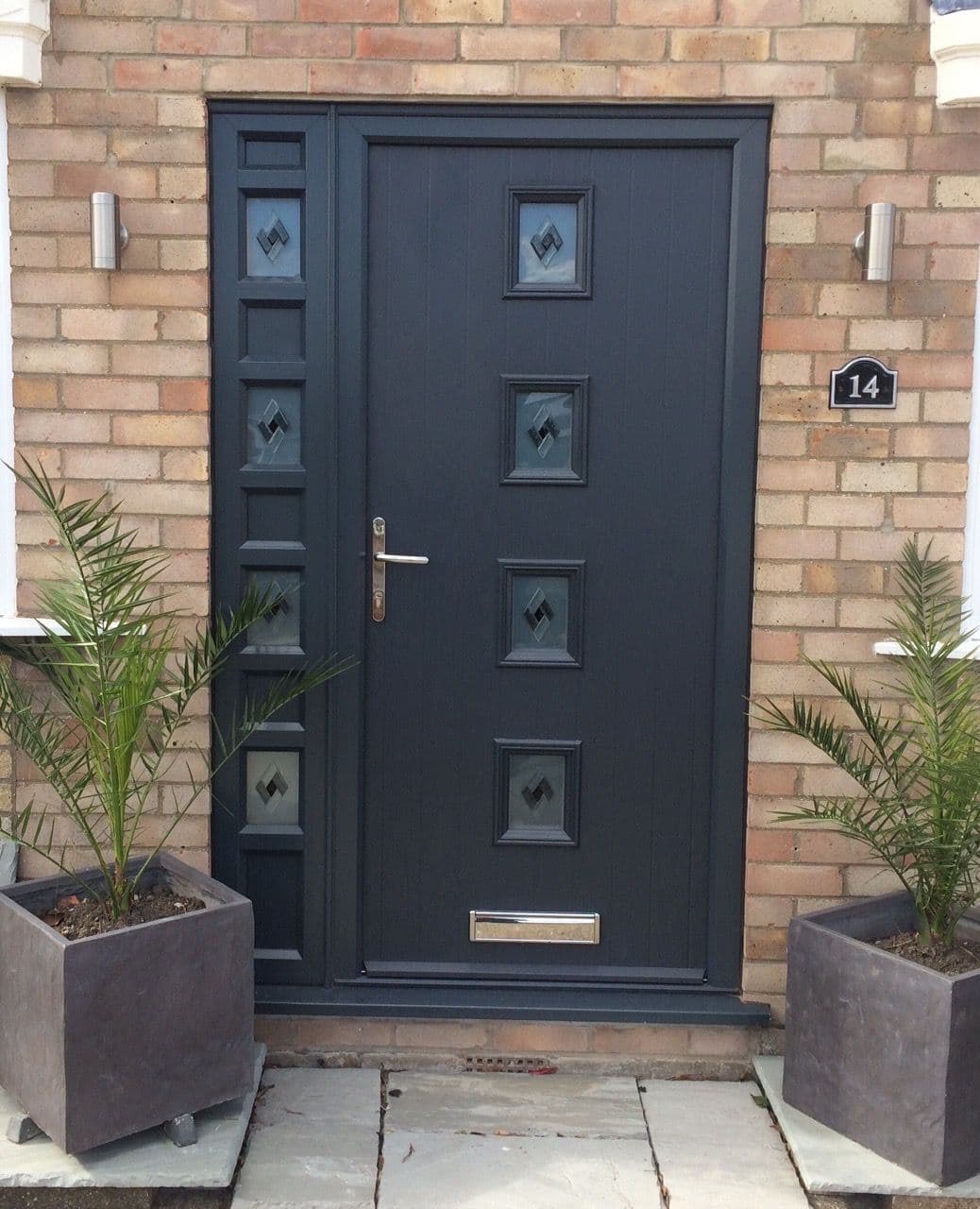
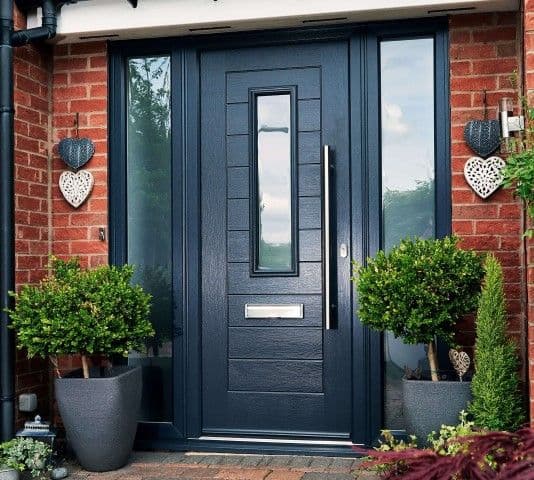
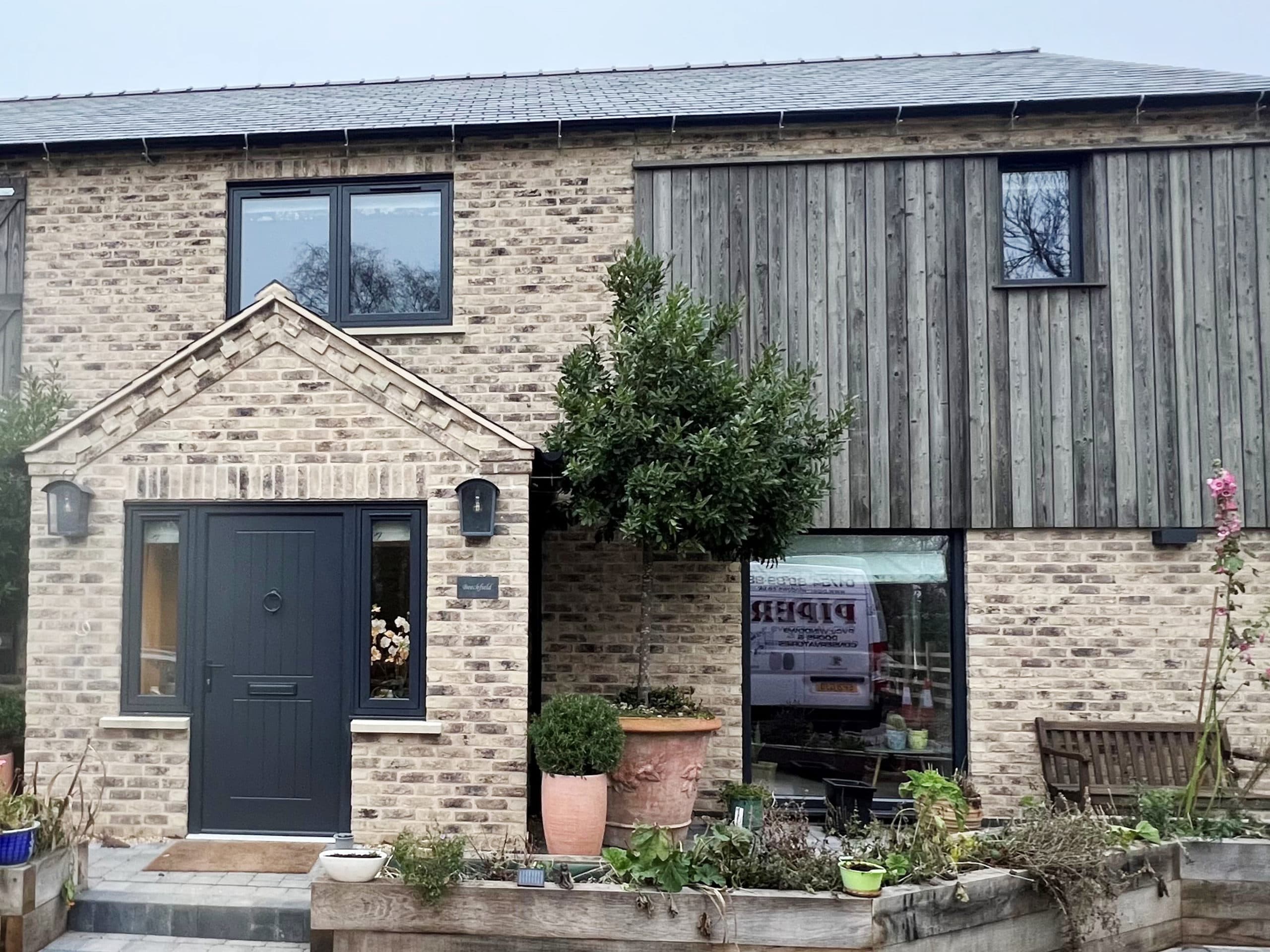
For a front door, a composite door is generally the better choice. It is stronger, better insulated, more secure and more resistant to weather than a standard uPVC door, and it needs almost no maintenance to stay looking good. For back doors, side doors, utility entrances and more sheltered openings, a quality uPVC door is often the more sensible buy, because it does the job well at a lower cost and the extra strength of a composite is less critical where the door sees less use and less exposure.
So the honest answer is that neither is universally better. The right choice depends on which opening you are fitting, how exposed it is, how much security matters and what your budget is. Below we compare the two properly on construction, security, insulation, weather resistance, maintenance and cost, so you can decide which suits each door on your home rather than applying one answer to all of them.
What each door is actually made of
A uPVC door is built around a plastic frame and slab, usually reinforced internally with steel or aluminium sections for rigidity. It is light, weatherproof, low maintenance and cost effective, which is why it became the standard replacement door for decades. Quality varies a great deal, though, because the amount of internal reinforcement and the thickness of the profile differ enormously between a budget door and a well-made one.
A composite door combines several materials rather than relying on one. It has a dense insulating core, typically a solid timber or foam-based centre, wrapped in a tough outer skin, most commonly a glass-reinforced plastic. The point of that construction is to give you the solidity and appearance associated with a good timber door without the swelling, sticking and repainting that timber demands.
That difference in construction explains almost every practical difference between the two. Piper Windows has been supplying and fitting both across Lincolnshire since 1983, now across three generations of the same family, and we fit uPVC, composite, French, patio, bifolding and stable doors, so we have no reason to push one over the other. We fit whichever genuinely suits the opening.
Security
This is where the gap is clearest. A composite door has a solid core, so it resists force and impact far more effectively than a hollow door. You feel it the moment you open and close one. A uPVC door with good internal reinforcement is by no means insecure, but a cheaper uPVC slab can flex noticeably and simply does not have the same substance behind it.
The locking mechanism matters just as much as the slab. We fit doors with serious hardware including Yale 3-star and Ultion 3-star cylinders, and the Ultion is Secured by Design accredited, which is the official police-backed standard for security products. Those cylinders are built specifically to resist the snapping attack that opportunist burglars rely on. It is worth knowing that this hardware can be fitted to both composite and uPVC doors, so upgrading the lock is a genuine option if you are keeping a sound uPVC door rather than replacing it.
In our experience, a composite door works better than a standard uPVC door for a main front entrance because the solid core and reinforced outer skin resist forced entry and impact far more effectively, where a hollow uPVC slab flexes under pressure and offers less to work against. For the door people knock on, and the one most visible from the street, that difference is worth paying for.
Insulation and weather resistance
Composite doors insulate well thanks to that dense core, which makes a real difference to how a hallway feels through a Lincolnshire winter. A good uPVC door with multi-chambered profiles also insulates respectably, so the gap here is narrower than on security, but the composite generally has the edge.
Weather resistance is where location changes the answer, and it is the part coastal homeowners should pay most attention to. A large share of our work sits along the Lincolnshire coast around Skegness and Winthorpe, where salt-laden air, driving rain and near-constant wind punish any external door. From working with clients on this coast for over 40 years, we have found composite doors hold their finish and colour particularly well under that exposure, where cheaper doors of either type start to show their age faster. The same exposure that dictates which windows suit coastal homes applies just as much to the doors, and it is one of the first things we assess on a survey near the front.
Maintenance and appearance
Both are low maintenance compared with timber, which is one of the main reasons people move away from wooden doors in the first place. Neither needs sanding, repainting or treating. An occasional wipe with soapy water and a little lubrication on the lock and hinges keeps both in good order.
On appearance, composite doors generally offer a wider and more convincing range of finishes, including woodgrain effects that read far more like a traditional timber door than uPVC typically manages. If you want the look of a solid panelled front door without the upkeep, composite is usually the closer match. uPVC has improved a great deal and looks perfectly smart, particularly in a plain modern style, but it rarely passes for timber in the way a good composite does.
Colour retention is worth mentioning too. Composite skins tend to hold their colour well over the long term, which matters on a south-facing or heavily exposed entrance.
Cost, and where to spend it
Composite doors cost more than uPVC, and that is the honest trade-off. The gap varies with specification, glazing and hardware, but you should expect a composite to be the more significant investment.
Our practical guidance is to spend where it counts. Put a composite on the front door, where security, insulation, appearance and exposure all matter most and where you will notice the quality every day. Consider a well-specified uPVC door for a back or side entrance, a utility door or a sheltered opening, where the demands are lower and the saving is meaningful. That approach gets you the best of both rather than paying a premium on every opening or compromising on the one that matters most.
We have found that this is where impartial advice helps, because it is easy to be sold a like-for-like upgrade across the whole house when a mixed approach would serve the property better and cost less. We would always rather set out the sensible split than quote for the biggest job.
Installation matters either way
Whichever you choose, the door only performs as well as it is fitted. A premium composite let down by a poor frame, badly set weather seals or a rushed installation will draught and stick, and on exposed plots those shortcomings surface fastest. We handle projects with our own in-house team from survey through to completion rather than subcontracting the fit, which keeps the standard consistent.
It is also worth knowing that replacement external doors fall under building regulations, and a registered installer certifies and registers the work for you. We are a FENSA registered installer, so your installation is documented and compliant, which a buyer’s solicitor will ask about when you eventually sell.
The bottom line
Choose a composite door for your front entrance if security, insulation, kerb appeal and long-term durability matter to you, and particularly if the door is exposed to coastal weather. Choose a good uPVC door for secondary, sheltered or lower-traffic openings where the saving is worth having and the extra strength is less critical. The full range of benefits a composite door offers is worth understanding before you commit, because for most homes the front door is the one place it genuinely pays to spend.
If you would like advice on which suits each opening on your own property, you can get a free no-obligation quote, browse the door range in our brochures, or call us directly on 01754 898 998. We have spent more than 40 years fitting doors for homeowners across Lincolnshire and the coast, and we will tell you honestly where a composite is worth it and where uPVC will serve you just as well.
Thinking about new windows, doors or a conservatory? Request a free no obligation quote or call us on 01754 898 998.