Windows
Double glazing repairs in Lincolnshire
Published 3 August 2026 by Steve Radford
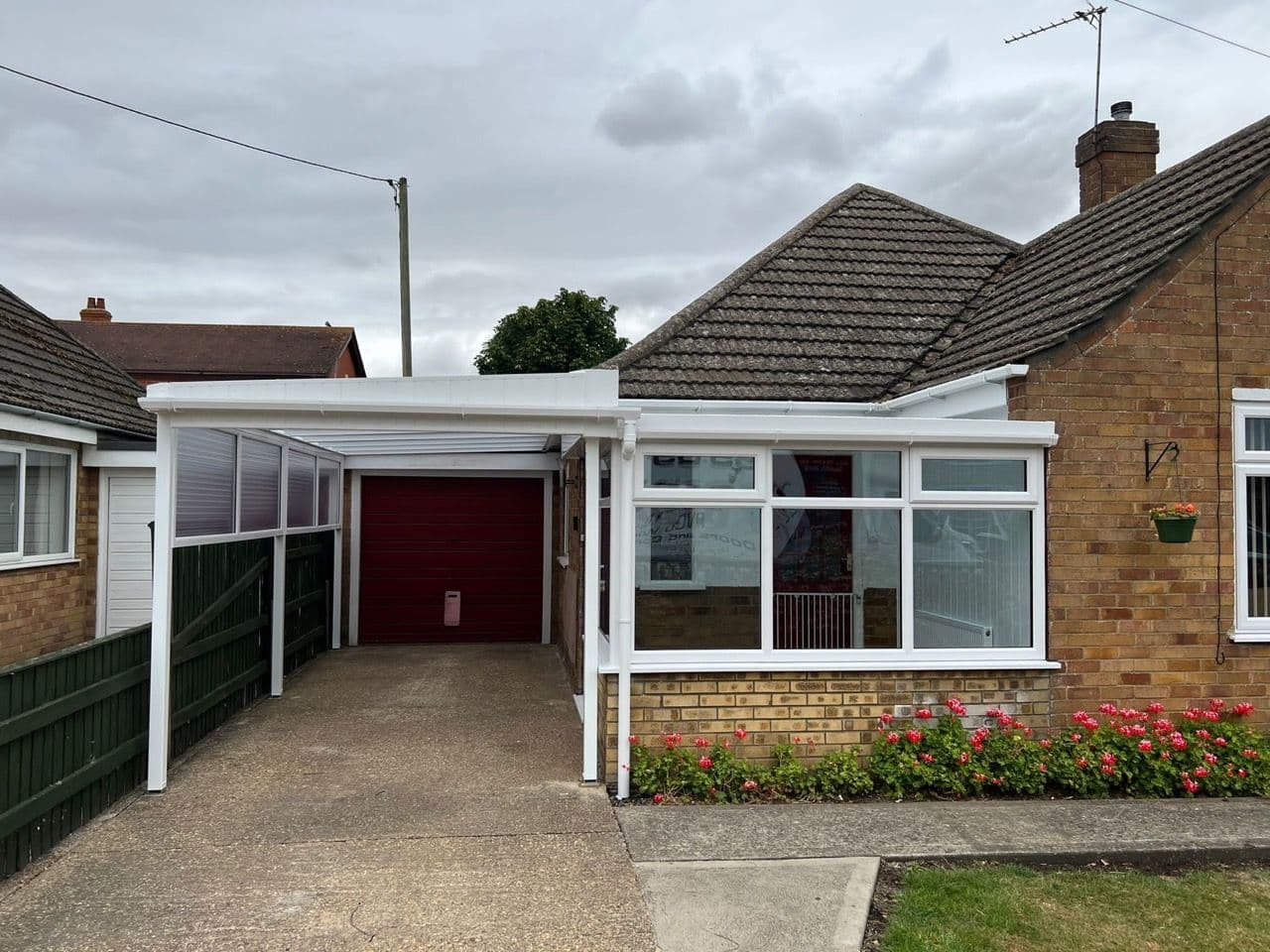
Most double glazing problems can be repaired rather than replaced, and a repair is usually far quicker and cheaper than a new window. Misted or blown sealed units can be reglazed while the existing frame stays in place. Stiff or broken handles, worn hinges, failed locks and doors that no longer close cleanly are almost always a matter of replacing the affected parts rather than the whole unit. If your frames are still sound, replacement is rarely the first answer.
The point at which repair stops making sense is when the frames themselves are failing, when draughts are coming through the profile rather than the seals, or when so many components have worn that you would effectively be rebuilding the window piece by piece. Below we set out the problems that are genuinely repairable, how to tell whether you need a repair or a replacement, and what to look for in a repair service across Lincolnshire.
The problems that can usually be repaired
The most common call we get is about misting between the panes. When condensation appears inside the sealed unit where you cannot wipe it away, the edge seal has failed and the glass has stopped doing its job. The fix is to replace the sealed unit itself, and in the majority of cases the frame and hardware around it are perfectly serviceable, so it is a straightforward reglaze rather than a new window. If you want to understand why those seals fail in the first place, it is worth knowing what causes condensation between double glazing before you decide what to do about it.
Hardware faults make up much of the rest. Handles that have gone stiff or snapped, hinges that have dropped or seized, locking mechanisms that will not engage, patio door rollers that have worn so the door drags, and doors that have shifted out of alignment and no longer shut flush. All of these are parts that can be replaced individually.
Beyond that, we repair broken glass, leaks around frames and roofs, polycarbonate conservatory roof panels, trickle vents, child restrictors, letterboxes and pet flaps, and we carry out security upgrades to existing doors and windows. On the commercial side we overhaul commercial doors and closers that have taken heavy use.
Piper Windows has been fitting and repairing double glazing across Lincolnshire since 1983, now across three generations of the same family, and one thing worth knowing is that we repair other companies’ installations as well as our own. You do not need to track down whoever originally fitted the windows, which matters if the firm has since closed or if you inherited the glazing when you bought the house.
How to tell whether you need a repair or a replacement
The honest test is to look at the frames rather than the symptom that is bothering you. If the frames are sound, square and weatherproof and the problem is a misted pane or a failed handle, that is a repair. If the frames themselves are old, distorted, letting draughts through the profile, or the windows are failing across the whole house rather than in one or two places, replacement starts to make more sense.
Age is a useful guide here too. It helps to have a realistic sense of how long double glazed windows last, because glazing that is well within its expected life and has one failed unit is a clear repair, while glazing that is at the end of its span and beginning to fail in several places is usually telling you something.
We have found that a good number of homeowners contact us assuming they need a full set of new windows when what they actually need is two sealed units and a couple of handles. We would always rather assess the windows and tell you honestly which situation you are in than quote for the bigger job, because the bigger job is not always the right one.
Do not leave small faults to become big ones
This is the practical advice we would most want to pass on. Small glazing faults rarely stay small.
A blown unit caught early is a simple reglaze. Left for years, persistent moisture can start to affect the surrounding frame and the surface finish, and what was a straightforward job becomes a larger one. A leak that is ignored finds its way into plaster and timber. A dropped hinge that is not adjusted puts strain on the sash and the frame every time the window is used.
In our experience, replacing tired hardware early works better than waiting until a window or door will not close at all because a seized mechanism tends to get forced, and forcing it frequently damages the sash, the frame or the surrounding profile, turning a simple part swap into a much bigger repair. The moment a handle needs a shove or a door needs lifting to lock is the moment to have it looked at.
Why Lincolnshire glazing works harder
Where you live affects how quickly things wear, and along this coast that effect is significant. A large part of our work is around Skegness and Winthorpe, and coastal properties put their glazing under real strain. Salt-laden air is hard on metal components, so hinges, handles and locking mechanisms corrode and seize sooner than they would inland. Driving rain tests every seal and every drainage channel. Constant wind stresses frames and hardware year round.
From working with clients on this coast for over 40 years, we have seen that hardware failures and blown units both tend to arrive earlier on exposed plots than on sheltered ones. It is not that coastal homes are built worse, it is that the conditions are simply harder, which is why regular attention matters more here than it does further inland.
One simple bit of maintenance genuinely helps. Keep the drainage channels along the bottom of the frame clear so water can escape rather than sitting against the edge of the sealed unit, because standing water is one of the most common hidden causes of early seal failure.
Choosing a repair service
A few things are worth checking before you let anyone work on your glazing. Ask whether they will repair other companies’ installations, because not all firms will. Ask whether the work is carried out by their own team or subcontracted. Ask what guarantee covers the parts and the labour, and get it in writing.
It is also worth knowing which side of building regulations a job falls on, because the two are widely mixed up. Replacing a whole window or door in a home is notifiable work, and as a FENSA registered installer we register and certify that for you, so the paperwork is there when a buyer’s solicitor asks for it. Replacing the sealed unit in a frame that is still sound is a repair rather than a replacement window, so it is not notifiable and there is no FENSA certificate to issue for it. If a survey shows the frame has gone and the whole window needs doing after all, we will say so before we start, and that work is registered in the usual way.
The bottom line
Most double glazing faults in Lincolnshire homes are repairable, and repairing is usually the sensible first option when the frames are still sound. Misted units, worn hardware, dropped doors and leaks are all fixable, often for a fraction of the cost of replacement, and acting early keeps the job small.
If something is misting, sticking, draughting or refusing to lock properly, the most useful step is to have it looked at by someone who works on these windows every week. You can arrange a visit through our repairs service, get a free no-obligation quote, or call us directly on 01754 898 998. We have spent more than 40 years repairing glazing for homeowners right across Lincolnshire, including plenty we did not fit in the first place, and we will always tell you straight whether a repair will do the job.
Thinking about new windows, doors or a conservatory? Request a free no obligation quote or call us on 01754 898 998.