Windows
Best windows for coastal homes
Published 10 July 2026 by Steve Radford
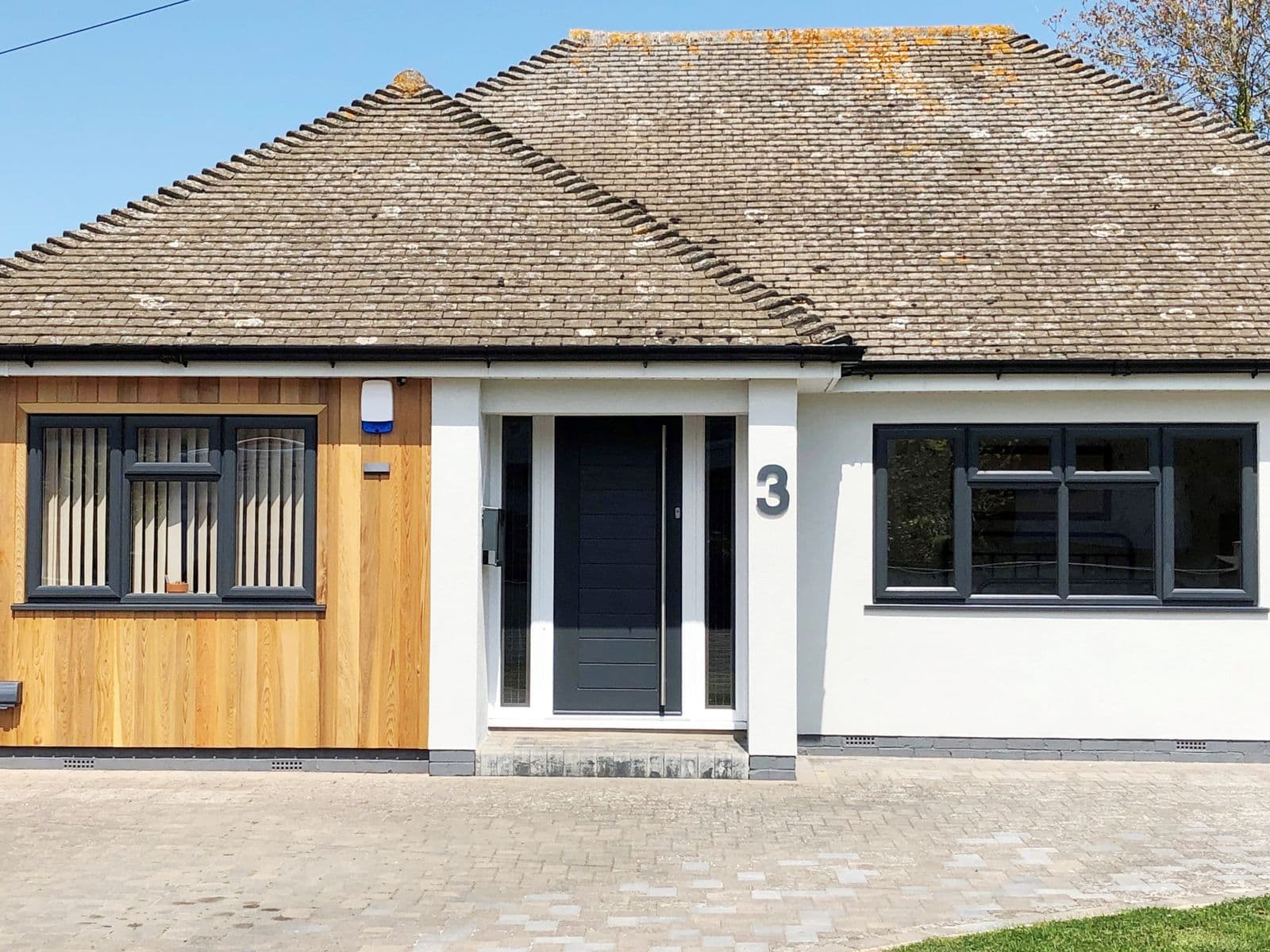
The best windows for coastal homes are well-specified A-rated uPVC casement windows, or marine-grade aluminium where a slimmer frame is wanted, fitted with corrosion-resistant hardware and high-quality weather seals. Coastal properties face salt air, driving rain and relentless wind, so the priority is a window that seals tightly all the way round, resists corrosion and is built to take sustained exposure. A standard, budget window specified for a sheltered inland plot will not last the same way near the sea.
If you live on the coast, the single most important thing to understand is that location changes the brief entirely. The same window performs very differently a mile inland than it does facing the front. Below we explain what coastal conditions actually do to windows, which styles and specifications hold up best, and how to choose windows that will still be performing in twenty years rather than failing in five.
What coastal conditions do to windows
Three forces work against windows near the sea, and they work constantly. The first is salt. Salt-laden air is carried inland on the wind and settles on everything, and it is particularly hard on metal components, accelerating corrosion on hardware, hinges and locks that would last far longer inland. The second is wind-driven rain. On an exposed plot, rain does not just fall, it is driven horizontally at the window, finding any weakness in a seal or a poorly fitted frame. The third is the sheer persistence of the wind itself, which stresses frames and seals year round.
Together these mean a coastal window simply works harder. The seals matter more, the hardware has to resist corrosion, and the quality of the fit becomes critical, because any gap that wind-driven rain can exploit will be found within a season or two.
Piper Windows has been fitting windows for coastal homes across Lincolnshire since 1983, with much of our work along the coast around Skegness and Winthorpe. From working with clients on this coast for over 40 years, we have seen exactly which specifications hold up and which let people down, and it is rarely the headline that matters most. It is the seals, the hardware and the installation.
The best window styles for the coast
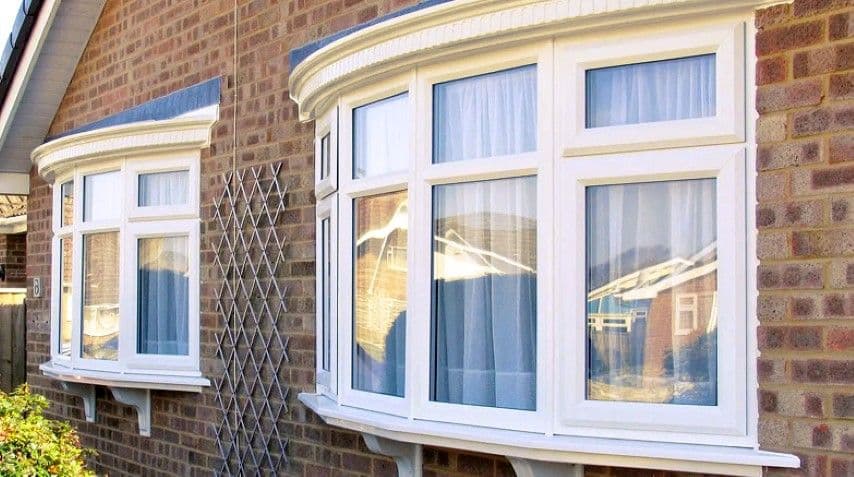
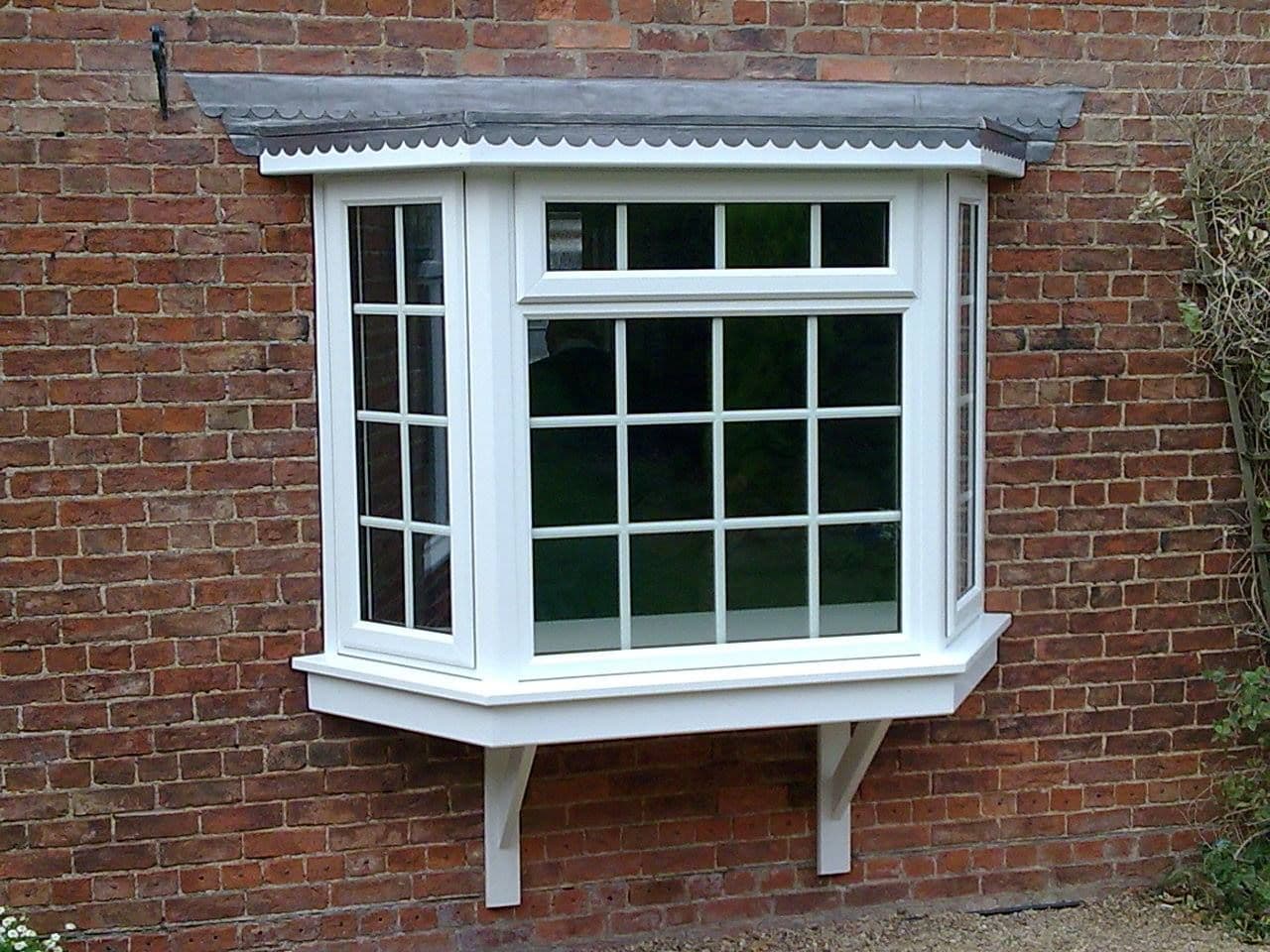
Casement windows are our most popular style, and for coastal homes they are usually the strongest choice. A casement seals against the frame all the way around its perimeter when closed, which is exactly what you want when wind-driven rain is testing every edge. That full-perimeter seal is far more reliable in exposed conditions than styles with more potential gaps.
In our experience, a quality A-rated uPVC casement window works better than a cheaper budget unit on an exposed coastal plot because the multi-chambered frame and full-perimeter weather seal resist wind-driven rain and salt far longer, where thinner low-spec frames begin letting draughts and water creep back in within a few seasons. That is the comparison that matters most here, because the price gap between a properly specified window and a budget one is small set against the difference in how long each lasts by the sea.
Aluminium is the other strong option, particularly where a homeowner wants slimmer sightlines and larger panes of glass. Good aluminium is durable and copes well with coastal exposure, provided the finish and hardware are specified for the environment. We fit both uPVC and aluminium, and the right answer depends on the look you want, the property and your budget. For most coastal homes a well-made uPVC casement gives the best balance of performance, longevity and value, while aluminium suits those wanting a more contemporary, slim-framed appearance.
Whichever style you choose, A-rated glazing should be the baseline. We supply our windows A-rated as standard, which keeps more heat in and copes better with the temperature swings a coastal home experiences.
Specification matters more than the label
Here is the point we would most want a coastal homeowner to take away. Two windows can both be called A-rated and look similar in a showroom, yet perform very differently after five winters by the sea. What separates them is the detail.
The weather seals need to be high quality and correctly fitted, because they do the hard work of keeping wind-driven rain out. The hardware, the hinges, handles and locks, needs to be chosen to resist salt corrosion, otherwise it seizes and fails long before the rest of the window. The frame should be properly multi-chambered for strength and insulation. And the drainage channels need to be set up correctly so any water that does get in is channelled straight back out rather than pooling.
We have found that the windows that fail early on the coast almost always fail at one of these points rather than in the glass itself. A cheaper window cuts corners precisely here, on seals, hardware grade and fitting tolerances, and those corners are invisible in a brochure but very visible two winters later. This is why we would gently steer anyone away from choosing a coastal window on headline price alone.
Installation is half the job
Even the best window for a coastal home will leak and draught if it is fitted poorly, and exposed plots are unforgiving of a rushed installation. A window has to be set, sealed and finished correctly so that the whole assembly keeps weather out as a system, not just the window on its own.
This is where a local, experienced fitter earns their value. We handle projects with our own in-house team from survey through to completion rather than subcontracting the fit, which keeps the standard consistent and means the people who quoted the job are accountable for it. Knowing how weather behaves on this particular coast, where it tends to find its way in first and which details need extra care, is not something you get from a catalogue. It comes from four decades of fitting in these exact conditions.
It is also worth knowing that replacement windows must comply with building regulations, and a registered installer certifies and registers the work for you. We are a FENSA registered installer, so your installation is documented and compliant.
The bottom line
For coastal homes, choose A-rated casement windows in a quality multi-chambered uPVC frame, or marine-suitable aluminium if you want slimmer sightlines, and pay just as much attention to the seals, the corrosion-resistant hardware and the standard of the fit as you do to the window itself. Get those right and your windows will shrug off the salt, wind and rain for decades. Cut corners on them and the coast will find the weak point quickly.
If you would like advice tailored to your own property and how exposed it is, the best step is to have someone who fits coastal windows every week take a look. You can get a free no-obligation quote, browse examples of our work, or call us directly on 01754 898 998. We have spent more than 40 years fitting windows for homes right across the Lincolnshire coast, and we will give you honest, local advice on what will genuinely last where you live.
Thinking about new windows, doors or a conservatory? Request a free no obligation quote or call us on 01754 898 998.