Windows
What is FENSA and why does it matter?
Published 26 July 2026 by Steve Radford

FENSA stands for the Fenestration Self-Assessment Scheme, and it is a government-authorised competent person scheme that allows registered installers to self-certify that replacement windows and doors meet building regulations. In plain terms, if your installer is FENSA registered, they can confirm the work is compliant and register it with your local authority on your behalf, so you receive a certificate without having to arrange building control yourself.
It matters because replacement windows and external doors in England and Wales are covered by building regulations, and that compliance has to be proven. Without a certificate from a registered installer, the responsibility for demonstrating compliance falls back on you as the homeowner, which usually means paying your local authority to inspect and sign off the work. Below we explain how the scheme works, what your certificate actually covers, why it matters most when you come to sell, and how to check an installer is genuinely registered.
How the scheme works
Since replacement glazing came under building regulations, any new window or external door fitted in a home has to meet minimum standards, particularly for thermal performance and, in certain situations, for safety glazing, ventilation and means of escape. Somebody has to confirm that those standards have been met.
There are two routes to that confirmation. You can notify your local authority building control department before the work starts and pay for them to inspect and certify it. Or you can use an installer registered with a competent person scheme, who is assessed and monitored to a standard that allows them to self-certify the work and register it for you. FENSA is the best known of these schemes for windows and doors.
Registered installers are not simply signed up and forgotten. The scheme carries out assessment and ongoing monitoring of members’ work, which is the whole basis on which self-certification is permitted. That is the practical difference between a registered firm and one that simply says it fits to a good standard.
Piper Windows has been fitting windows and doors across Lincolnshire since 1983, now across three generations of the same family, and we are a FENSA registered installer. From working with clients across the county, we have found that most homeowners have heard the name without knowing what it actually does for them, which is a shame, because it is one of the few parts of a glazing job that protects you long after the fitters have packed up.
What your certificate actually covers
Once the work is complete, your installation is registered and you receive a certificate confirming that the windows or doors comply with building regulations. It records the property, the work carried out and the date, and the registration is lodged so the local authority has a record of it.
It is worth being clear about what the certificate is and is not. It is proof of building-regulation compliance for that installation. It is not the same thing as your product guarantee or workmanship warranty, which comes from the installer or manufacturer and covers faults, failures and defects. Both matter, and they do different jobs. We would always encourage homeowners to keep the certificate and the guarantee paperwork together somewhere safe, because they will be asked for at different points.
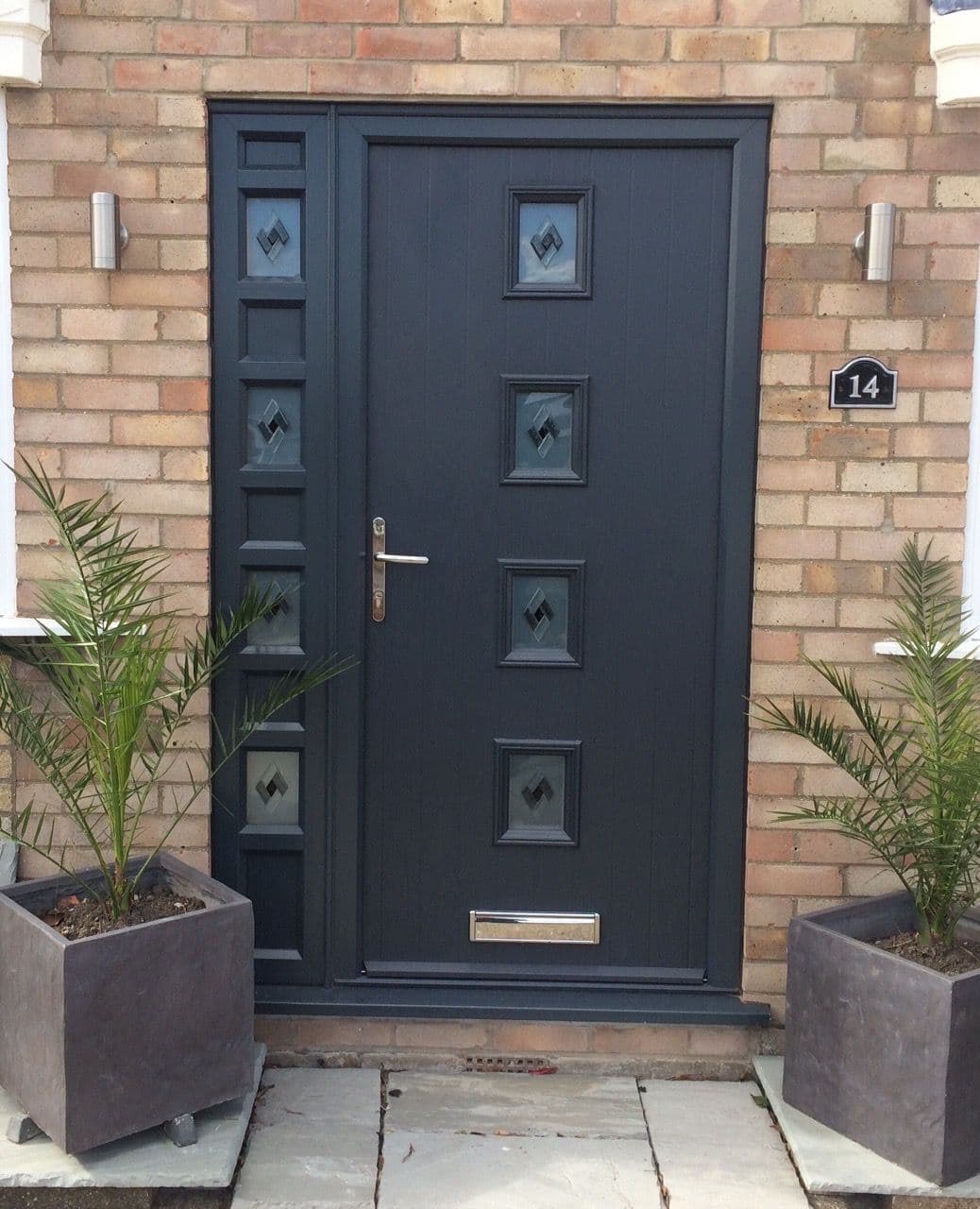
The scheme also covers external doors, not just windows, which surprises a lot of people. If you are having a new front entrance fitted, the same compliance rules apply, which is one of the practical reasons we mention certification when homeowners ask about the benefits of a composite front door rather than treating it as a windows-only concern.
Why it matters most when you sell
Here is where the certificate goes from being a piece of paper in a drawer to something that genuinely affects you. When you sell your home, the buyer’s solicitor will ask for documentation on any replacement windows or doors fitted since the regulations came into force. If you can produce the certificate, the enquiry is closed in minutes.
If you cannot, things get more awkward. The usual outcomes are a delay while the paperwork is chased, an indemnity policy taken out to cover the missing certification, or in some cases the buyer asking for the issue to be resolved before completion. None of these are disasters, but all of them cost time and money at the point in a sale when you least want either, and all of them are avoidable by using a registered installer in the first place.
We have found that this is the moment homeowners wish they had asked the question at quote stage rather than years later. Nobody thinks about resale when they are choosing a window colour, but the certificate outlives the decision by a long way.
Checking an installer is genuinely registered
This is the practical bit, and it takes about a minute. Anyone can print a logo on a van or a leaflet. The reliable check is to search the official register directly and confirm the company is listed. You can search by installer name, and if a firm is registered it will appear.
In our experience, checking the register directly works better than taking a logo or a line on a quote at face value because the register is the live record of who is genuinely registered and monitored, whereas a badge on a website tells you only that someone was able to add an image to a page. It is a small piece of due diligence that costs you nothing and rules out a real risk.
It is also worth asking a couple of follow-up questions while you are at it. Ask whether the fitting is done by the company’s own team or subcontracted, because accountability for the standard of the installation matters as much as the accreditation itself. Ask what guarantee covers the product and the workmanship, and get it in writing. These are among the questions we suggest homeowners put to any firm when they are choosing professional window fitters, and a reputable installer will answer all of them without hesitation.
A note on alternatives and exceptions
FENSA is not the only competent person scheme. Other schemes operate on a similar basis, and an installer registered with one of those can also self-certify. What matters is that your installer is registered with a recognised scheme, not specifically which one. If they are not registered with any, the local authority building control route is the alternative, and you should establish who is arranging and paying for that before work begins.
There are also situations where the rules differ, such as repairs rather than replacements, certain listed buildings and conservation areas, and new-build work covered under its own building control. If your project is unusual, it is always worth asking rather than assuming.
The bottom line
FENSA is the scheme that lets a registered installer prove your new windows and doors meet building regulations and register that compliance for you. It matters because it saves you arranging building control yourself, gives you documented proof the work was done to standard, and spares you an awkward gap in the paperwork when you come to sell.
If you are getting quotes and want to be certain the compliance side is handled properly, the simplest step is to ask the question early and check the register. You can get a free no-obligation quote, or call us directly on 01754 898 998. We have spent more than 40 years fitting windows and doors across Lincolnshire, and we are happy to talk you through exactly what certification you will receive before you commit to anything.
Thinking about new windows, doors or a conservatory? Request a free no obligation quote or call us on 01754 898 998.