Windows
Casement vs flush windows, what's the difference?
Published 26 October 2026 by Dawn Radford
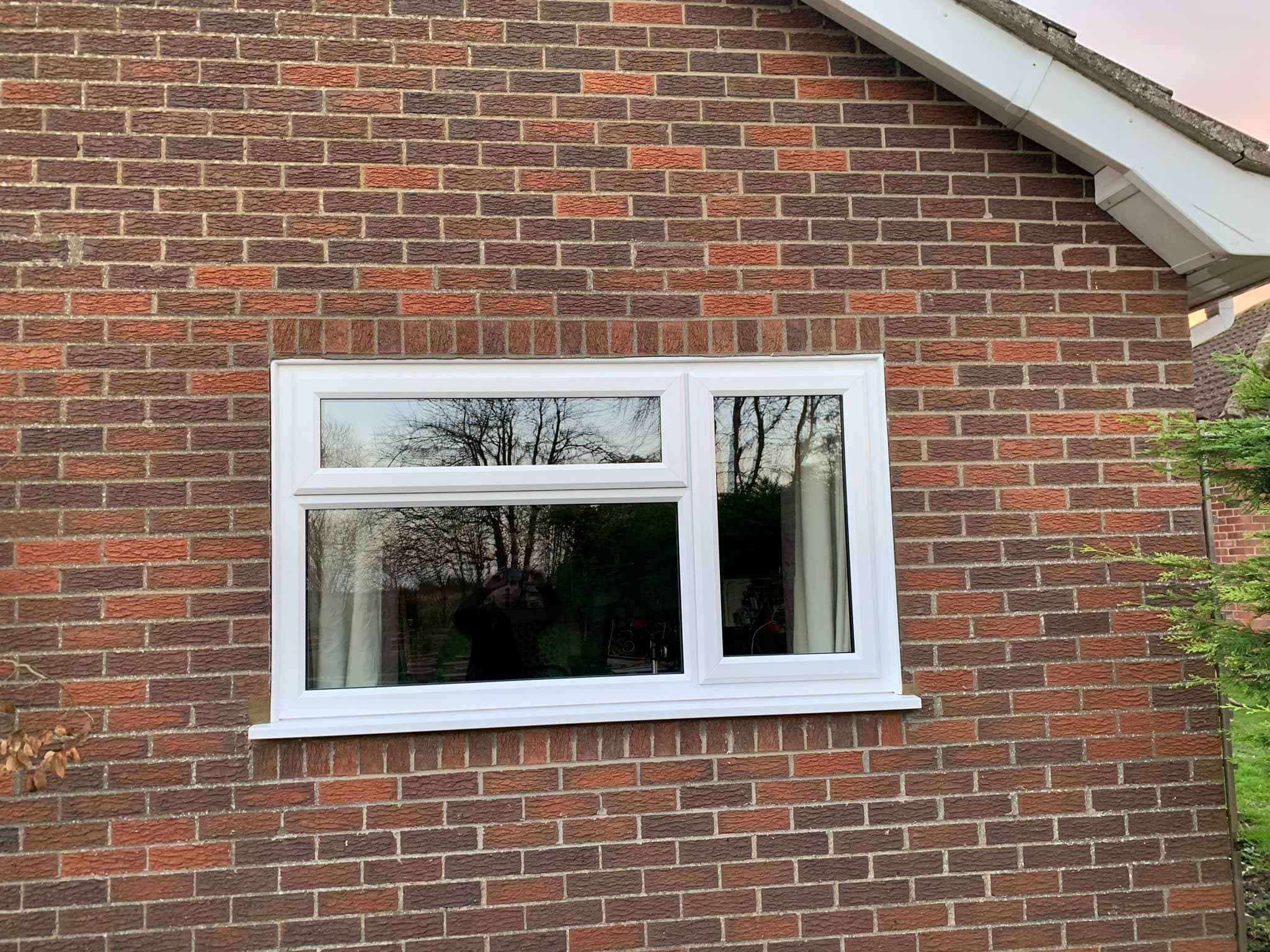
A flush window is a casement window. Both are hinged at the side or the top and open outwards, and the difference between them is only how the opening sash sits in the frame when it is shut. On a standard casement, often called a lipped casement, the sash closes over the front of the outer frame and stands slightly proud of it, so you see a step around every opening part of the window. On a flush casement the sash closes into the frame and finishes level with it, so the whole window reads as one flat face, which is how traditional timber casements were made.
So the choice is mostly about appearance. A standard casement suits most houses built in the last fifty years, costs less, and is the window most homes already have. A flush casement is the one to look at on a cottage, a period property or anywhere the window needs to look like painted timber, and it is the one most likely to be asked about in a conservation area. The rest of this guide covers how the two differ in practice and how to decide.
What lipped and flush actually mean
Picture a window from the side. On a lipped casement the opening sash is slightly larger than the hole it closes over, and a lip around its edge rests on the face of the outer frame. That overlap is what gives most uPVC windows their familiar stepped profile.
On a flush casement the sash is made to fit inside the outer frame rather than on top of it. Shut, the sash and the frame sit in the same plane, with only a fine line between them. Old timber casement windows were built this way, which is why the flush version is the one that looks right on older houses.
Both are still casements. They open the same way, both can be side hung or top hung, and both are made to the exact opening rather than trimmed to fit. Nothing about the way you use the window changes between them.
Why the difference shows from the street
The step on a lipped casement casts a shadow line around every opening sash, and the opening panes and the fixed panes end up with visibly different frame widths. On a modern house with simple openings that is unremarkable and nobody notices it. On a cottage with small, evenly divided windows it is the thing that makes replacement windows look like replacement windows.
A flush casement removes that step, and the details around it carry the rest of the look. Mechanically jointed corners rather than welded ones, a run through horn, and a heritage colour outside with white inside all do a lot to make the window read as timber from across the road. Colour plays a bigger part than people expect, and choosing the right colour for your windows and doors covers the dual colour option properly.
Our flush range is a symmetrical design with real curb appeal, it is conservation area friendly, and it is a low maintenance, thermally efficient alternative to timber. That last point is the practical reason to choose it. It gives the appearance of a painted timber casement without the sanding, filling and repainting that timber asks for, which matters on a house that faces salt air and wind-driven rain.
What the standard casement does well
A standard casement is our most popular choice, and there are good reasons for that. It is the most economical way to replace a window, it suits the proportions of most post war and modern houses, and on those houses a flush window would add cost without making the house look any more like itself.
Ours come with night vent ventilation as standard, fire escape and easi-clean hinges on all side hung sashes, and rail locking for added security. If the window you are replacing is a standard casement on a 1970s semi or a 1990s bungalow, the honest answer is usually another standard casement, made properly and fitted well, and the money saved goes further on the glass or the doors.
Escape windows, ventilation and the regulations
Whichever you choose, replacement windows in a home have to meet building regulations, and two of those rules affect how a casement is designed. The first is escape. The Planning Portal's guidance on building regulations for windows says that where a window is an escape route, the new opening should provide at least the same potential for escape as the window it replaces. That decides which sash opens and how it is hung, and it is one reason the escape hinge matters on upstairs rooms. It is checked at the survey rather than guessed at.
The second is ventilation. Most replacement windows in England now need trickle vents, which sit in the head of the frame on either style. They are worth leaving alone once fitted, for the reasons set out in how to stop draughts around windows and doors.
The certificate is the part people forget. As a FENSA registered installer we register the installation for you, so there is a record of it when you come to sell, and what FENSA is and why it matters explains why a buyer's solicitor will ask.
Conservation areas and listed buildings around Skegness
For most houses, replacing windows does not need planning permission. The Planning Portal's planning guidance on doors and windows says new windows are usually fine without it provided they are of a similar appearance to those used in the construction of the house. It also says that conservation areas can carry extra restrictions, and that a council can remove these rights altogether with an Article 4 direction.
That is worth knowing locally. East Lindsey District Council lists seventeen conservation areas across the district, and four of them are in towns we work in, Alford, Burgh le Marsh, Spilsby and Wainfleet. The council says living in a conservation area can reduce your permitted development rights, and the place to check whether that affects your windows is its planning team, before anything is ordered. A five minute call costs nothing and a window that has to come out again costs a great deal.
A listed building is a different matter entirely. Altering or replacing its windows normally needs listed building consent, and East Lindsey's own advice is blunt that not knowing a building is listed is no defence. Historic England's guidance on traditional windows and their care, repair and upgrading explains why original windows often matter so much to a listed building. Where that applies, the conversation starts with the council, not with a brochure, and a flush uPVC casement may not be the answer at all.
If your house is older but not listed, windows for older Lincolnshire homes goes further into matching sightlines, glazing bars and openings that have moved over a century.
Price, and what you are paying for
A flush casement generally costs more than a standard casement of the same size. You are paying for a different frame and sash system and for the finishing details that make it look like timber, not for a window that works differently day to day. That is why it earns its cost on a house where the appearance matters and rarely on one where it does not.
It is also worth being clear about what neither style will fix. If your existing windows are sound and the complaint is a draught or a stiff sash, that is very often a seal or an adjustment rather than a reason to replace anything, and our repairs service handles it on windows we did not fit as well as on our own.
Which one should you choose
Choose a standard casement if the house is post war or modern, the existing windows are lipped casements, and you want the most economical replacement that suits the house as it was built. Choose a flush casement if the house is a cottage or a period property, if you want the look of painted timber without the upkeep, or if you are in a conservation area and want the replacement to sit quietly in the street. If the original windows were vertical sliders, look at a sliding sash instead, because a casement of either kind will not look right in that opening.
See both before you decide
The two are much easier to tell apart in person than in a photograph, and the difference is clearest when you see the corner of each one up close. Get a free no-obligation quote and we will come and look at the house itself, or call in at the Piper Windows showroom on Church Lane in Winthorpe. There are windows we have fitted on real houses in our windows gallery, the range is in the window brochures, and you can ring us on 01754 898 998.
Thinking about new windows, doors or a conservatory? Request a free no obligation quote or call us on 01754 898 998.