Commercial
Shop front glazing for commercial properties
Published 10 October 2026 by Dawn Radford
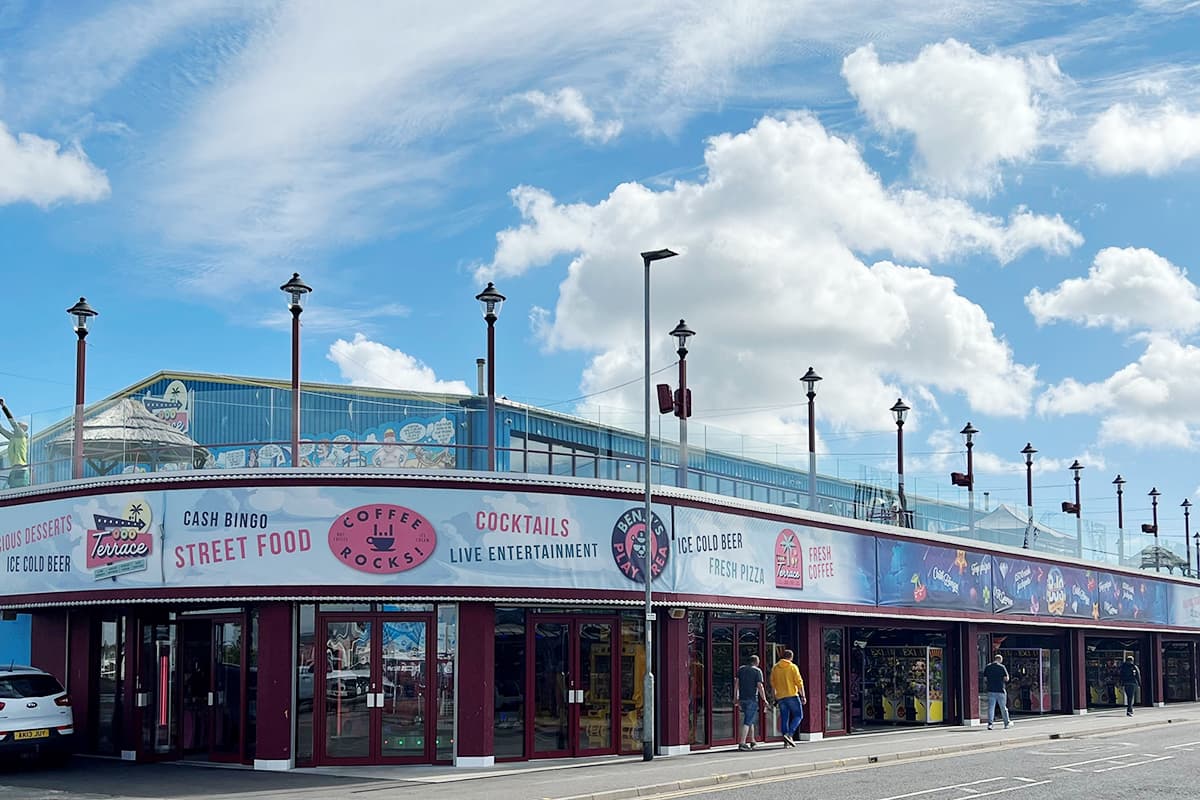
Shop front glazing is almost always a thermally broken aluminium frame carrying large panes of laminated glass, with an entrance door built for constant use and a closer sized to control it. Aluminium dominates because it is the only common frame material strong enough to hold a shop sized pane without a thick post standing in the middle of the display, and laminated glass is the usual answer at street level because it cracks and stays in the opening rather than clearing out of it.
The decisions that cost real money are not the frame though. They are how much of the elevation you can give to glass before the structure objects, how the door traffic is dealt with, and when the work happens. In a seasonal town the last of those is the biggest figure in the job, because a unit shut for a fortnight of the season loses more than the frontage costs.
Why shop front glazing is nearly always aluminium
On a display elevation the frame is not the thing you are paying for, and a wide one with a reinforcing post through the middle of the window takes a bite out of the glass that is.
The thermal side is worth asking about rather than assuming. A modern aluminium frame has a polyamide break running through it, separating outside from inside. Without one it conducts heat straight through, which is what gave the frontages of the 1970s their reputation for streaming with condensation. We fit commercial work in both PVCu and aluminium, and PVCu is sensible where nothing is on show. The full comparison of the two materials is in aluminium vs uPVC windows, and on a frontage itself shop fronts and arcade glazing in aluminium is usually the honest answer.
What the glass is actually for
A shop front pane is doing three jobs at once. Keeping weather out, letting people see the stock, and being the thing somebody has a go at on a quiet night. So specify opening by opening rather than treating a whole frontage as one item.
Laminated glass has a plastic interlayer bonded between two panes, so it holds together when it is hit. Toughened is stronger but goes to small pieces and clears the opening when it fails, which is a very different problem on a shop, because an empty frame at two in the morning is an open door and a cracked one that stays put is not.
Solar control glass is the specification people forget to raise. A frontage facing the sun with very little frame in it will overheat, and a shop that is uncomfortable in July is one people walk out of. Glass can carry signage too. Some frontages we have glazed have frosted graphics across large panels, which gives privacy at eye level and still lets light in.
Display and security meet in the frame, not the glass
Every shop owner wants the biggest possible pane and the most secure possible frontage, and those two work against each other, because a bigger pane costs more to replace and needs more fixing around it to carry the wind load.
A frontage laid out with a narrower fixed pane beside the entrance is often a better buy than one continuous run of equal panes, because the glass next to a door takes most of the knocks in the building's life, from trolleys and bags and the door leaf itself, and a small unit can be replaced quickly and cheaply while a full display pane cannot.
If a security shutter is ever likely, say so at the start even if it is not being fitted now. What matters at glazing stage is that the head of the frame is designed with a shutter box in mind, because retrofitting one later usually means losing part of the glass line.
The part that fails is the door
On a shop front the part that wears out is far more often the door than the glass. Worn gear, a dropped leaf catching the threshold, a closer wound up so hard nobody can push it, or one that has given up so the door stands open all winter. The display glass beside a door like that can be perfectly sound.
An entrance door on a shop is opened and closed hundreds of times a day, a life no domestic door ever has. So the door and its gear are where the money should go, and closers want servicing rather than ignoring. Commercial door overhaul, overhead closers and servicing sit within our repairs work, and we are happy to repair anyone's work, not only our own. A tired door on a sound frontage is a repair, not a new frontage.
Access is part of the same decision. Part M of the building regulations deals with it, and as a general rule new work must not leave an entrance harder to get through than the one it replaced. What that means for your door, the width, the threshold and how much force it takes to open, depends on the opening and what is outside it, so the survey settles that. Where a door has to be light enough for anybody to open and also reliably self closing, a low energy operator is often the simplest way through.
What this coast does to a frontage
What any business here should know is that exposure is not spread evenly across a building. Salt is hygroscopic, meaning it draws moisture out of the air and holds it against metal long after the rain has stopped, so the seaward elevation of a unit ages faster than the sheltered one on the same building. Hardware and seals feel it first, and drainage slots silt up with windblown sand. How coastal weather affects windows sets the same mechanism out on a house, where the maintenance is identical.
So specify the hardware and finish for the exposure that elevation actually has, and rinse the frames, tracks and gear with fresh water more than once a year. On a seafront unit that habit decides how long the door gear lasts, and there are arcade and seafront frontages in our commercial gallery.
Fitting it around trading
The programme, not the glazing, is what businesses get wrong when they buy a frontage. A hoarding or a phased fit keeps a unit open and selling, and what makes either possible is planning it before the glass is ordered, because once it is made to a size the sequence is fixed.
So ask any firm quoting you which parts of the work need the unit closed, what can be done out of hours, whether the frontage can go in sections, and what happens if a pane arrives damaged. In a seasonal town the last of those matters more than it looks, because a hoarding for a week in the season is not the same thing as a hoarding for a week in February.
When not to spend the money
A frontage that looks tired is not always a frontage that needs replacing. If the glass is sound and the frames are straight, a door overhaul, new gaskets, new hardware and a proper clean will transform how a unit reads from the pavement for a fraction of a new front. Misted units can be replaced individually without touching the frames. We would rather say that than quote for a whole elevation.
Replacement is the right call when the frames have gone, when the layout is wrong for the way the unit trades now, or when the elevation is being changed anyway. Where an elevation is largely glass rather than a front set into brickwork, that becomes curtain walling, and a staircase inside wants glass balustrade, a separate specification again.
The short version
Aluminium on the frontage, laminated at street level, solar control where the sun hits it, and the door treated as the hardest working part of the building. Decide the pane layout before anything is ordered, flag a shutter early, settle the programme before the glass is made, look after the hardware if you are near the sea, and if the bones are sound, repair it.
If you would like somebody to look at your frontage and tell you honestly what it needs, Piper Windows has been glazing along this coast for over 40 years, shop fronts and arcade frontages included, and quotes are free with no obligation. Get a free no-obligation quote or ring us on 01754 898 998.
Thinking about new windows, doors or a conservatory? Request a free no obligation quote or call us on 01754 898 998.