Conservatories
Warm roof vs polycarbonate conservatory roofs
Published 6 October 2026 by Steve Radford
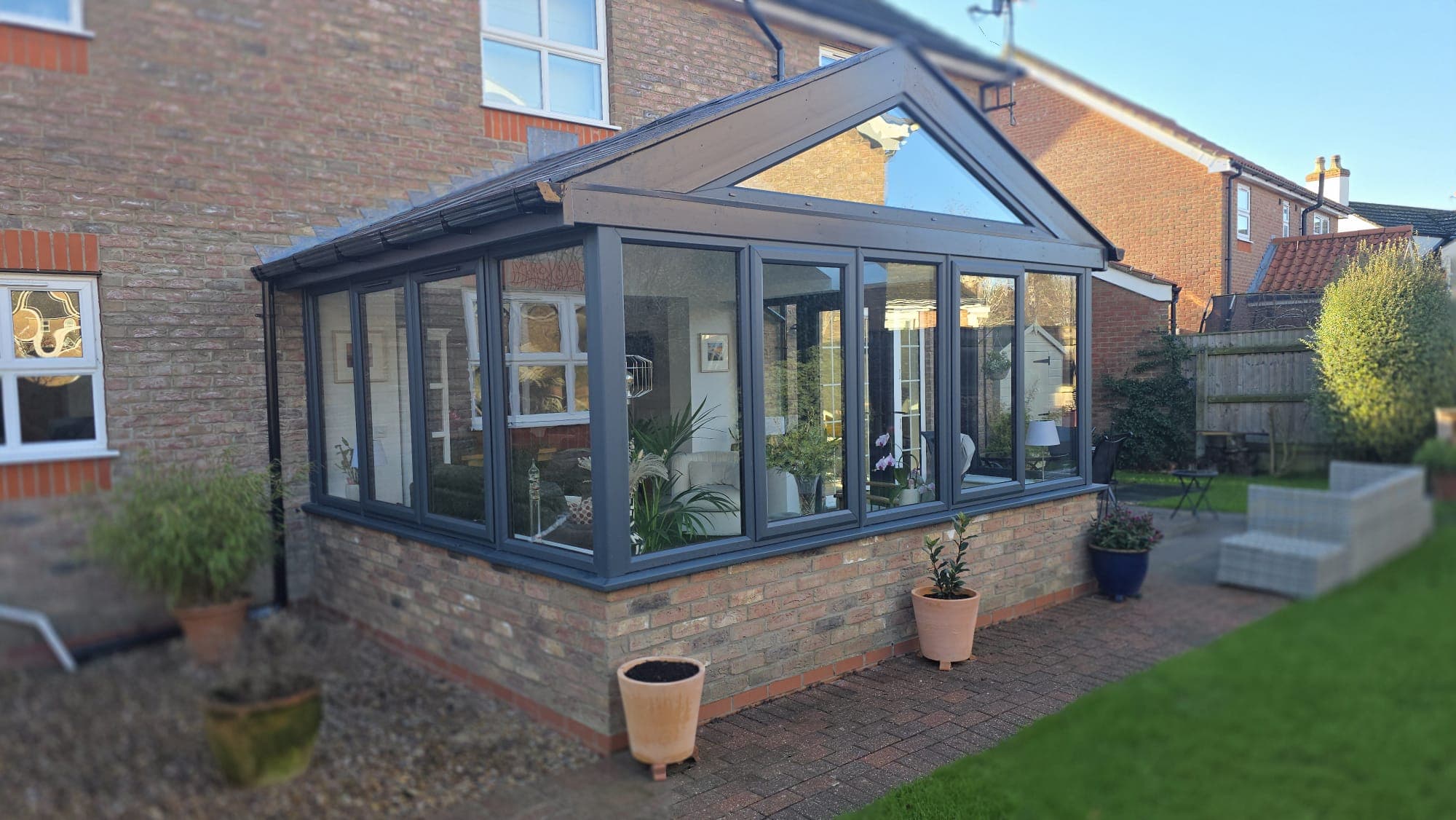
If you want to sit in your conservatory in July and again in February, an insulated warm roof is the answer and polycarbonate is not. Polycarbonate does one job properly, which is keeping the rain off cheaply without loading the structure. It insulates very little, it is loud in rain, it glares in summer, and as it ages it yellows and grows algae inside the flutes where nobody can clean it. A warm roof replaces the lot with an insulated, tiled structure and a proper ceiling underneath, which turns a seasonal space into an ordinary room.
The one thing that decides whether you can have one is weight. A tiled roof is a different order of load, and whether the existing frames, dwarf wall and base will carry it is established on site rather than from a photograph. That is what the survey is for, and it is where the building control question gets answered, because replacing a translucent roof with a solid one is notifiable work in most cases.
What polycarbonate actually does well
It is worth being fair to it. Polycarbonate is light, which is why it went onto so many conservatories in the first place. Slim frames on a brick dwarf wall were never designed to carry much, and a roof weighing almost nothing was the honest answer then. On a lean-to over a back door, or a garden room you use from May to September, it is still sensible. The problem was never the material. It was being sold as a room when it was never going to be one.
We have found that the sheets themselves usually outlast everything holding them in place. What goes first is the breathable tape sealing the ends of the flutes, the gaskets in the glazing bars, and the fixings where the sheets meet the house wall. That is worth money to you, because a roof letting water in very often has sheets that are still sound, and resealing or replacing panels is ordinary repair work rather than a new roof.
Why the room stops getting used
The roof is the largest single surface in a conservatory and by a long way the least insulated, so it sets the temperature of the room far more than the windows do. The same things that separate a good sealed unit from a tired one, the gas between the panes and the spacer around its edge, count for more overhead than they do in the windows, and our guide to A-rated windows sets out why a rating describes a whole window rather than its glass. In summer that means solar gain the room cannot shed, and blinds deal with the glare and almost nothing else, because they hang underneath the surface letting the heat in. In winter it runs in reverse, which is why so many conservatories have the door shut and the radiator off from October.
Then there is noise, which people underestimate until they live with it. Heavy rain on polycarbonate drums loudly enough to stop a conversation, and the sheets tick and crack as they expand and contract. Nobody views a conservatory in the rain, so we hear this complaint afterwards rather than before.
You will also see water dripping from the underside on cold mornings. That is surface condensation on a cold sheet, a different thing entirely from condensation inside a sealed glass unit, which cannot be wiped away.
Discolouration and algae in the flutes
This is what makes a tired polycarbonate roof look worse than it performs. Once the tape at the ends of the flutes perishes, the hollow channels inside each sheet are open, and dust, insects, moisture and grit get in. Algae grows in the damp channels and stripes the roof from the inside, where no amount of cleaning reaches it.
From fitting and repairing along this coast since 1983, the thing that fills the flutes here is sand. It carries on the wind off the beach, finds the open end of a sheet and packs in. Because we are happy to repair anybody's work and not only our own, we see how other installers' roofs age in the same conditions. The run of sheets facing seaward is usually the one that goes first, ahead of the sheltered side of the same roof. The plastic also yellows and turns brittle under years of ultraviolet.
What a warm roof changes, and what it costs you
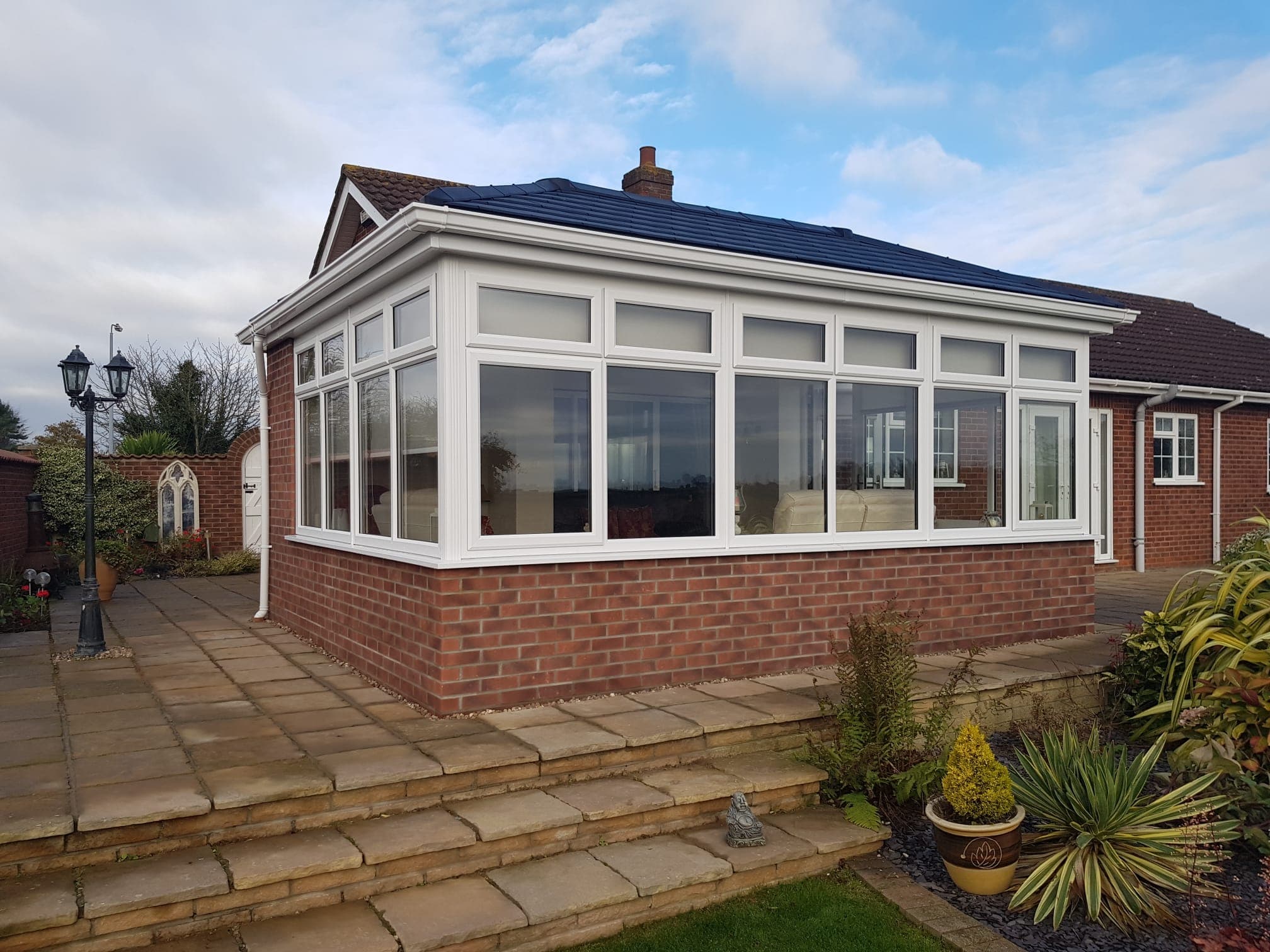
A warm roof is an insulated, tiled roof built in place of the old one, with an insulated and plastered ceiling inside. The room holds its heat, stays far cooler in summer, goes quiet in the rain, and takes downlights like any other room. The honest measure of whether it worked is not degrees on a thermometer but whether the room gets used.
What it costs you is daylight, and that is the part to think hardest about. Roof windows can be built in so the room does not go dark, and where they sit is the main design decision. From working with clients on this, the mistake is treating them as a formality and putting them where it is convenient. A conservatory that was uncomfortably bright can easily end up gloomy.
The warm roof system we fit has been tested and certified by Jhai Building Control Ltd, an accredited national building control approvals agency. That certifies the system, not anybody's workmanship, ours included, so it is evidence about the product rather than a substitute for asking who is notifying the work and what paperwork you are left with. Ask that of any firm quoting you, and read the system in the conservatory brochures.
The weight question is what the survey settles
A conservatory built to carry polycarbonate was designed for a roof weighing almost nothing. The frames, the dwarf wall, the base and the way the structure ties back to the house all have to be looked at, and sometimes the answer is that it will take a solid roof with strengthening, and occasionally that it will not.
Where that gets skipped, the tell is doors and windows that stop closing properly, because the frames have taken a load they were never built for and have moved. At that point it is no longer a roof question, it is a rebuild question. If your conservatory will not carry the weight, that is a legitimate reason to keep a lightweight roof, and you should be told so plainly.
Glass sits in between, and sometimes wins
A glass roof is the third option, and it gets forgotten here. It is far clearer than polycarbonate, much quieter in rain, insulates considerably better, and modern coatings keep it cleaner and cut some of the solar gain. If what you love about the conservatory is sitting under the sky, glass keeps that and fixes most of what makes polycarbonate unpleasant.
In our experience, a warm roof works better than a glass roof on a conservatory the family has already given up using because glass answers the noise and much of the heat loss but leaves a room that still wants the blinds down by mid morning, where an insulated roof deals with the solar gain as well. Where the room is genuinely loved and only the roof is tired, glass is often the better call, and we will say so.
Warm roof vs polycarbonate, where each one is genuinely the right answer
Have a warm roof where you want the room all year, the structure will carry it, and you will trade some daylight for comfort. Have glass where the view upward is the whole point and you accept the room stays seasonal. Have new polycarbonate where the conservatory is a seasonal space you are happy with and the roof is simply leaking, or where the structure will not take weight. That last one is a real job rather than a consolation prize, which is why replacing polycarbonate roofs is in the published list on our repairs page.
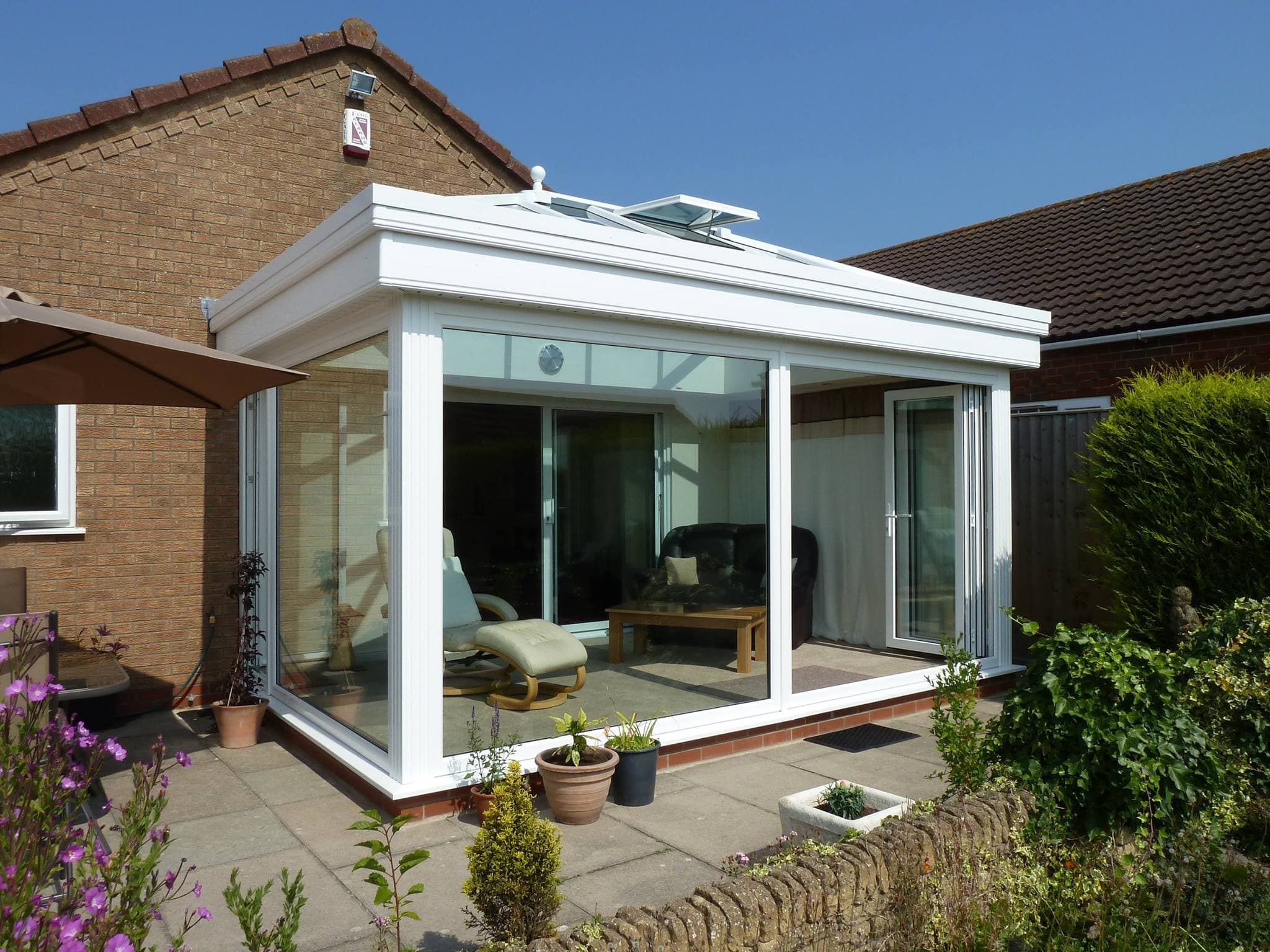
If you are planning a new conservatory rather than rescuing one, decide the roof at the start instead of inheriting this problem in fifteen years. Traditional conservatories can be built with an insulated roof from day one, and what is possible is easier to judge from our conservatory work and the conservatories gallery.
Having somebody look at it
Piper Windows is a family business in Winthorpe, run by the same family since 1983 and now into a third generation, and replacing tired conservatory roofs is part of what we do. If you would like somebody to stand in your conservatory, say whether it will carry a warm roof and tell you honestly which of the three suits your room, ask us for a free no-obligation quote or ring us on 01754 898 998. If new sheets are all you need, we will say so.
Thinking about new windows, doors or a conservatory? Request a free no obligation quote or call us on 01754 898 998.