windows
Aluminium vs uPVC windows, which should you choose?
Published 12 September 2026 by Steve Radford
For most homes in this area, uPVC is the sensible choice and aluminium is the right choice for specific jobs. uPVC costs less, insulates better as a material and needs almost nothing doing to it. Aluminium is far stronger for its size, which lets it hold much larger panes in much slimmer frames, so it wins where the opening is big, the glass is heavy or the sightline is the whole point.
That is the short answer, and for a great many customers it settles the question. What follows is the detail behind it, because the two materials fail and succeed in different places, and on a coast like this one there are a couple of considerations that do not apply inland at all.
Sightlines are the real difference you can see
Put an aluminium and a uPVC window side by side at the same size and the aluminium one shows noticeably less frame and more glass. Aluminium is strong enough to carry a large sealed unit on a slim section, where uPVC needs a bulkier profile with internal steel reinforcement to do the same job.
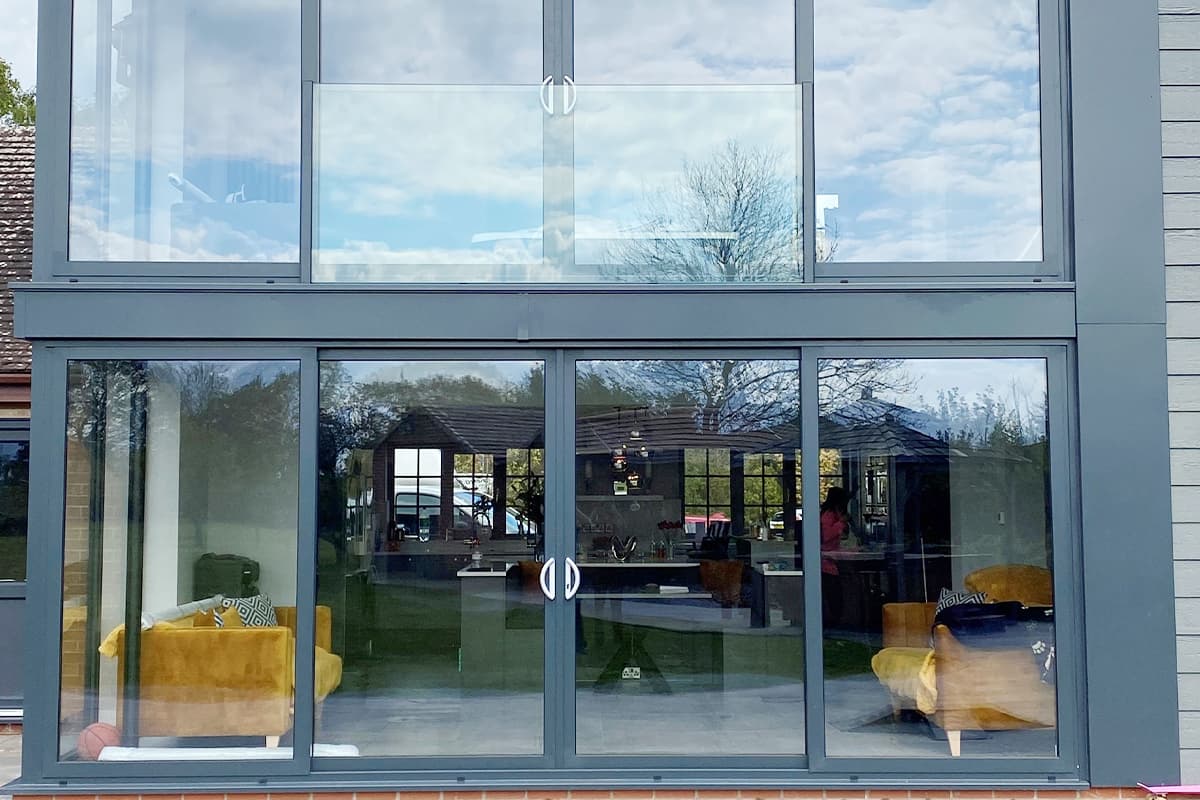
On a small cottage window that difference is barely worth having. On a wide opening, a two storey glazed screen or a run of glazing across the back of a house, it is the entire point. If what you want is as much glass and as little frame as possible, aluminium is the material that does it, and no amount of specifying will make uPVC match it at the same size.
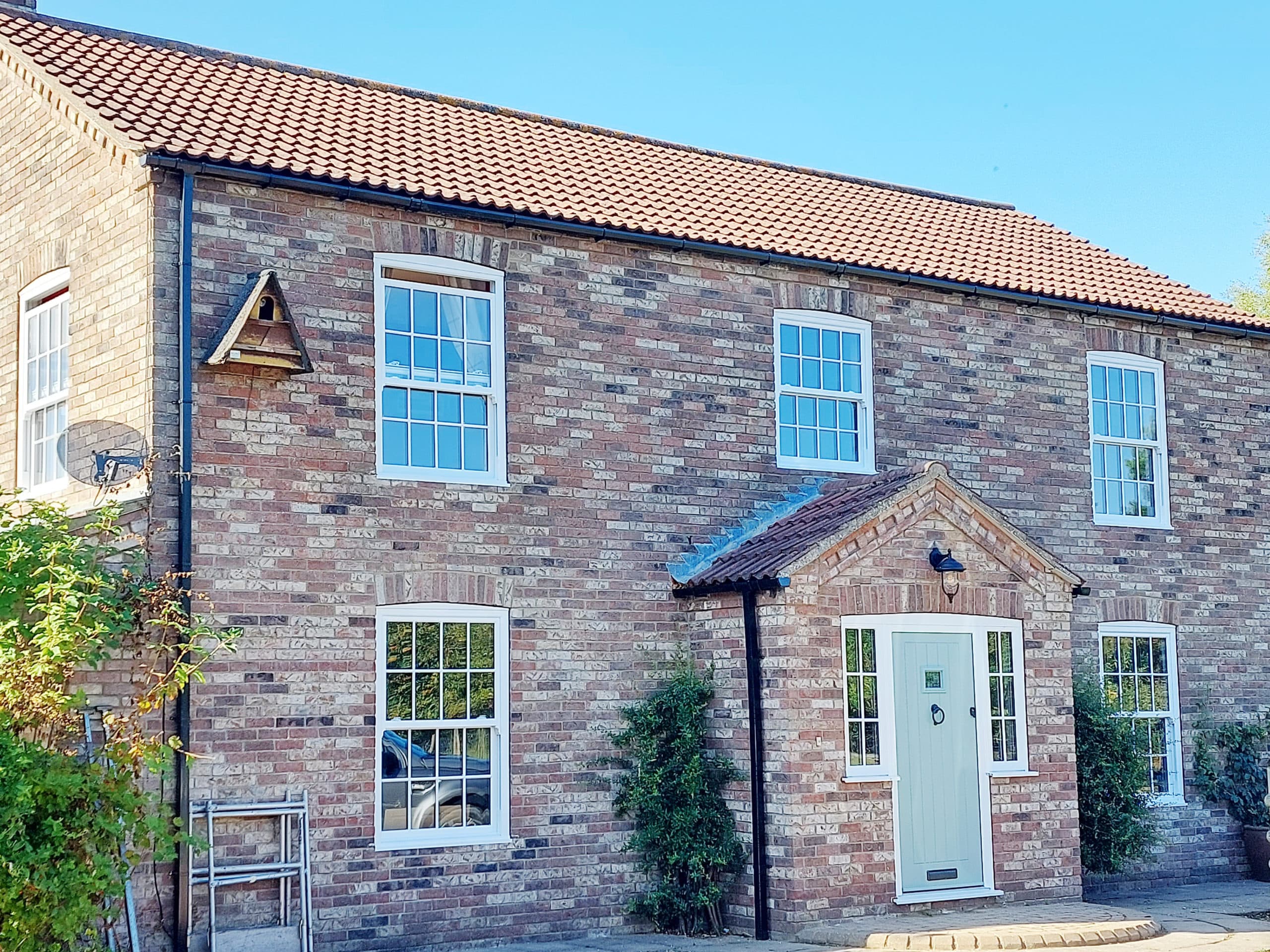
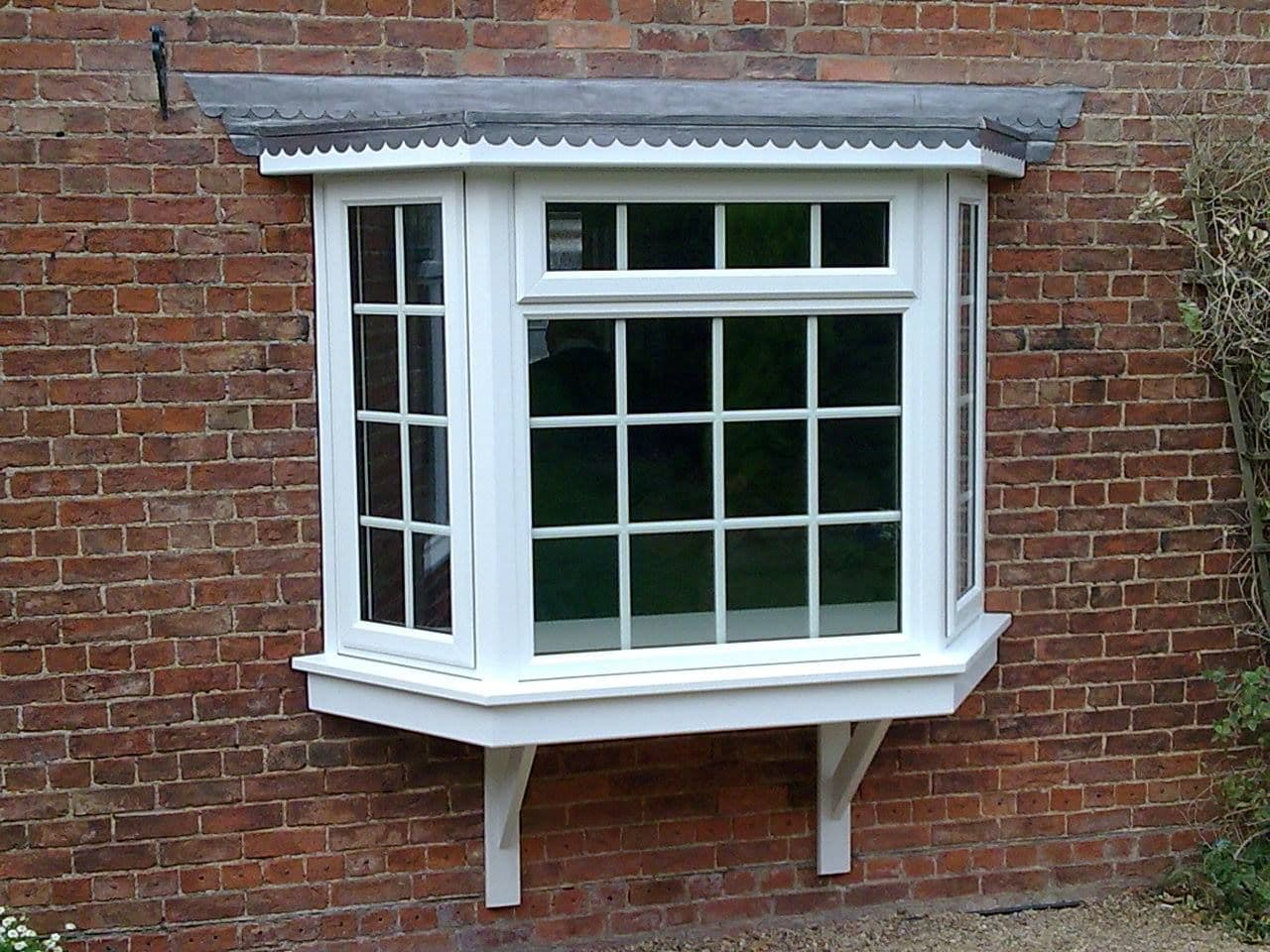
The flip side is that the slim modern look does not suit every property. On a period house it can read as jarring, and the flush casements and sliding sashes that suit older Lincolnshire homes are far more commonly done well in uPVC.
Thermal performance, and why the gap is smaller than it sounds
Aluminium conducts heat and plastic does not, which sounds decisive until you understand how modern aluminium windows are made. A quality aluminium frame is thermally broken, meaning the inner and outer sections are separated by an insulating barrier so heat cannot travel straight through the metal.
That closes most of the gap, and a good thermally broken aluminium window performs perfectly respectably. It does not usually close all of it. As a material, uPVC still starts from a better position, and if the single thing you care about is the warmest window for the money, uPVC generally gets there more cheaply.
All our windows come A-rated as standard whichever material you choose, and the rating scheme itself is run by the BFRC, which is what lets you compare two quotes honestly rather than taking a salesperson's description of a window as read. Ask for the rating on the actual product being quoted rather than the range it belongs to, because the two are not always the same thing.
Cost, and where the money actually goes
uPVC costs less, and on a whole house replacement the difference is substantial rather than marginal. That is not a reflection on aluminium. It is the material, the manufacturing and the fact that aluminium tends to be specified for the larger and more complex openings in the first place.
The way most of our customers resolve this is not to choose one for the whole house. It is to put uPVC in the ordinary openings and aluminium where it earns its place, typically a large rear screen, a wide bi-fold opening or a run of glazing somewhere the frame would otherwise dominate. That is a perfectly normal specification and it puts the budget where it shows.
Maintenance, and what each one does as it ages
Both are low maintenance and neither needs painting. They age differently, though.
uPVC can chalk and shift in colour over a long period, particularly on bright south facing elevations and particularly on cheaper profile. Modern foiled and coloured finishes are far better than the ones fitted twenty years ago, but white uPVC is still the most stable thing you can buy.
Aluminium is powder coated, and a good powder coat is extremely durable and holds its colour very well. Where aluminium needs watching is at any point the coating is damaged, because bare aluminium and a salt atmosphere are not friends. In practice that means the finish quality and the specification of the hardware matter more here than they would fifty miles inland.
The coastal question, which changes the calculation
This is where local experience is worth more than a product brochure. Salt-laden air is hard on metal, and it is hard on the metal in both types of window, because a uPVC window still contains steel reinforcement, hinges, handles and lock mechanisms.
From fitting along this coast since 1983, what we actually see fail on exposed frontages is hardware rather than frames. Hinges, handles and locking mechanisms corrode and stiffen years before anything happens to the profile itself, and that is true of uPVC and aluminium alike. So the question is less which material survives the coast and more whether the hardware has been specified for it and whether it gets rinsed occasionally. What that weather does and how to stay ahead of it is set out in how coastal weather affects windows.
In our experience, a well specified uPVC window works better than aluminium on an exposed coastal frontage because there is simply less metal exposed to salt in the first place, and the parts that are exposed are the same replaceable hinges and handles either way. That is a genuine advantage rather than a preference, and it is why we do not automatically steer people towards aluminium here even when the budget would allow it.
So which should you actually choose?
Choose uPVC if you want the best value, the best insulation for the money, the widest range of styles for a traditional or period property, and the least metal exposed to a salt atmosphere. That covers the majority of homes here.
Choose aluminium if the opening is large, the glass is heavy, the sightline genuinely matters to the design, or you want a slim modern frame that uPVC cannot reproduce at that size. Choose it also for commercial frontages, where the strength and the shopfront aesthetic both point the same way.
Choose both if the house calls for it, which is more common than people expect.
Whichever you pick, replacement windows in a home are covered by building regulations, and as a FENSA registered installer Piper Windows registers and certifies the work for you, so the paperwork is there when a buyer's solicitor asks for it.
The short version
uPVC for value, warmth, choice of style and less exposed metal. Aluminium for big openings, heavy glass, slim sightlines and commercial work. Both A-rated as standard here, both low maintenance, and on this coast the hardware specification matters more than the frame material does.
If you would like to see the two next to each other rather than read about them, the full range and finishes are in the windows brochures and there are plenty of examples in our window gallery. To talk it through against your own openings, get a free no-obligation quote or ring us on 01754 898 998.
Thinking about new windows, doors or a conservatory? Request a free no obligation quote or call us on 01754 898 998.