windows
How to make your windows more secure
Published 16 September 2026 by Dawn Radford
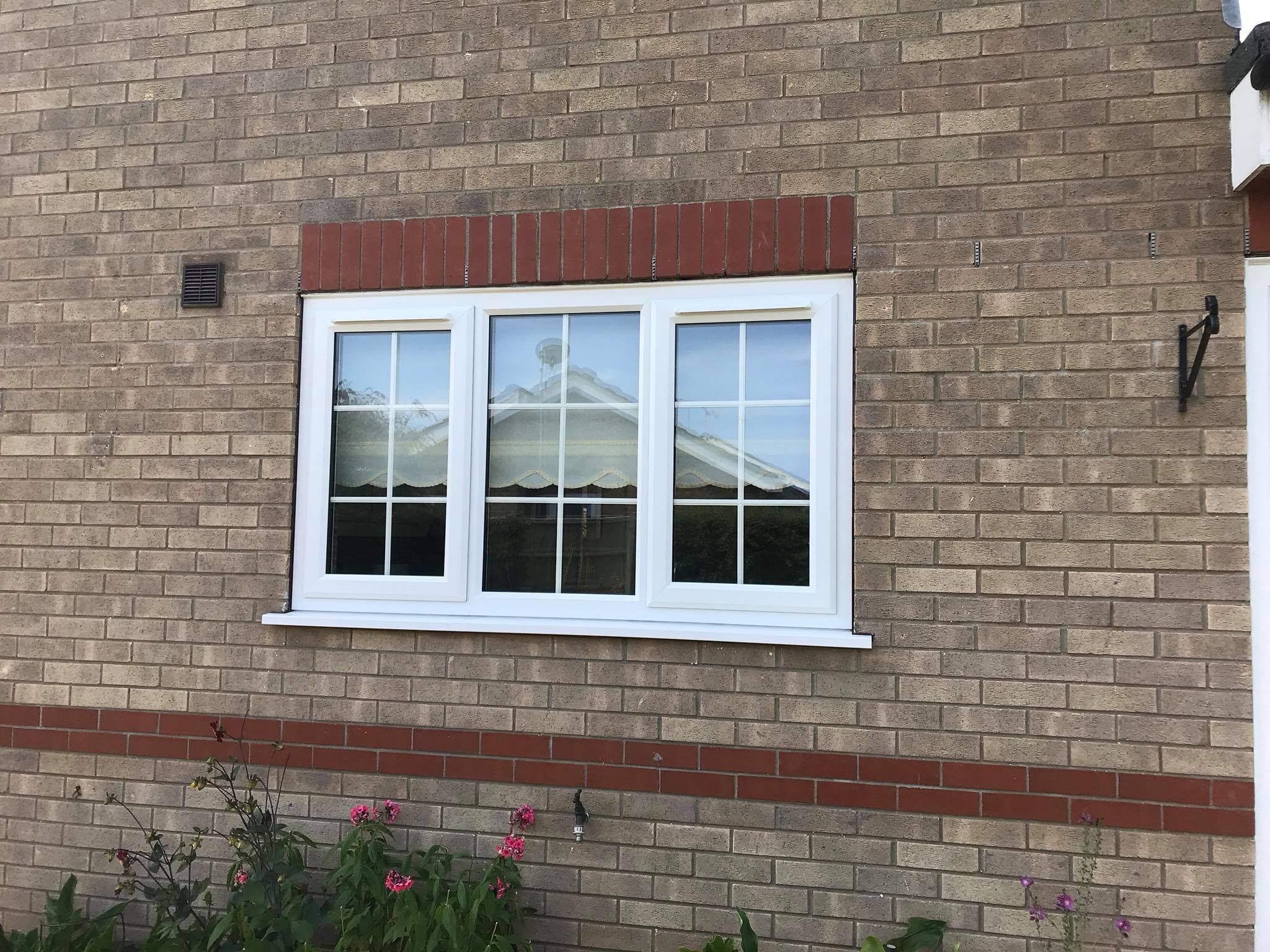
The four things that actually make a window secure are a multi-point locking mechanism that engages properly along the frame, a key-locking handle, glass that holds together when it is hit, and beading on the inside rather than the outside so the pane cannot be taken out from the street. Fix those four and you have dealt with the great majority of how ground floor windows are got through.
The good news is that most of this can be done to windows you already have. Handles, locks, hinges and glazing are replaceable parts, and upgrading them on a sound frame costs a small fraction of new windows. Front doors get all the attention when people think about home security, and the windows either side of them are quietly the easier way in.
Check which side the beading is on
Start here, because it takes ten seconds and it is the one people have never heard of. Beading is the strip that holds the glass in the frame. Look at a window from outside and see whether you can see that strip.
If the beading is on the outside, the glass can potentially be unclipped and removed without breaking anything, quietly, from the pavement. Older uPVC windows were commonly built this way. Modern ones are internally beaded, so the strip is on the room side and the glass simply cannot be got at from outside.
If yours are externally beaded, that does not automatically mean they are unsafe, because most later external beading was fitted with security clips that stop it being levered off. It does mean it is worth checking rather than assuming, and if there are no clips it is worth doing something about.
Handles and locks, and the mistake people make with keys
A window handle that simply latches is not a lock. A key-locking handle is, and on any window that is reachable from ground level, a flat roof, an extension or a garden wall, it is the single cheapest upgrade available.
Behind the handle, look for a multi-point locking mechanism, meaning one that throws cams or bolts at several points along the frame rather than holding at the handle alone. The better ones use mushroom-shaped cams that pull the sash tighter into the frame as they engage, which resists levering as well as simply holding the sash shut.
There is one important caveat and it matters more than the security does. Do not lock every window and then hide the keys. In a fire you may need a window as an escape route, and a key nobody can find is a genuine danger. Keep them close to the window but not visible from outside, and make sure everybody in the house knows where they are.
Glass that holds together
Toughened glass breaks into small pieces. Laminated glass has a plastic interlayer bonded between two panes, so when it is hit it cracks but stays in the opening rather than clearing out of it. That difference is what makes laminated the right choice where security matters, because it turns a quick quiet job into a slow noisy one.
You do not need it everywhere. Where it earns its place is on accessible ground floor windows, on anything reachable from a flat roof or an outbuilding, and on glazing next to a door where somebody could otherwise reach the handle or the thumbturn. If you are replacing units anyway, specifying laminated on those particular openings adds far less than people expect.
If you are asking an installer about security standards, the term to use is PAS 24, which is the enhanced security specification that windows and doors can be tested to. It is worth asking whether a product has been tested to it rather than assuming, because the answer varies by range.
The fault we find constantly, and it is not a lock
Here is the thing we see far more than any of the above. A window whose hinges have worn lets the sash drop, and a dropped sash does not line up with its keeps. The locking cams then only partly engage, or engage on one point instead of four, and the owner has no idea because the handle still turns.
The tell is a window that has to be pulled or lifted before the handle will go round, or one that sits proud along one edge when it is shut. People treat that as a stiff window and live with it for years. It is not a stiff window. It is a window that is not properly locked, and it is grinding the mechanism towards failure at the same time.
Friction stays and hinges are inexpensive parts and replacing them is straightforward. On this coast they are also the parts that suffer first, because salt-laden air corrodes hinges and lock mechanisms years before it does anything to the frame, and a corroded mechanism is a weak one. From fitting and repairing here since 1983, our working assumption on any older window is to check the hinges and the engagement before anybody talks about upgrading anything else.
Restrictors, and windows that have to open
Restrictors let a window open a limited amount and then hold. They are the answer for upstairs rooms where you want ventilation overnight without leaving an opening somebody could climb through, and child restrictors do the same job for a different reason on any upstairs window in a house with young children.
They are cheap, they retrofit to most windows, and they are one of the more common things we get asked to fit on installations that were somebody else's work. They sit alongside locks, hinges, handles and glazing on our repairs service, and none of it needs the window replacing.
Upgrade or replace
In our experience, upgrading the handles, hinges and glazing on sound frames works better than replacing windows for security alone because the frame is rarely the weak point, the parts that are weak are all replaceable, and the cost difference is enormous. We would rather tell you that than quote you for a houseful of windows you do not need. A family firm that has traded from the same place for over 40 years depends on people locally saying we were straight with them.
Replacement is the right answer when the frames themselves have gone, when the windows are externally beaded with no clips and old enough that other things are failing too, or when you are replacing for warmth and appearance anyway and the security comes along with it. At that point it is worth specifying properly rather than accepting a base specification, and the choices are covered in the windows brochures. Replacement windows in a home are covered by building regulations, and as a FENSA registered installer we register and certify the work for you.
While you are thinking about it, the same logic applies to the door in the middle of them, and the most secure type of front door covers the cylinder standards that matter there. If something on your existing windows has already stiffened or stopped locking cleanly, that is repair territory and double glazing repairs in Lincolnshire explains what is usually involved.
The short version
Check which side your beading is on. Fit key-locking handles on anything reachable. Specify laminated glass where a window is accessible. Make sure the multi-point mechanism is actually engaging, which means checking the hinges, not the lock. Add restrictors upstairs. Keep the keys findable in a fire.
If you would like somebody to go round your windows and tell you honestly which ones are worth doing and which are fine, Piper Windows will come and look. Get a free no-obligation quote or ring us on 01754 898 998.
Thinking about new windows, doors or a conservatory? Request a free no obligation quote or call us on 01754 898 998.