Windows
Why is there condensation on the outside of my windows?
Published 23 November 2026 by Steve Radford
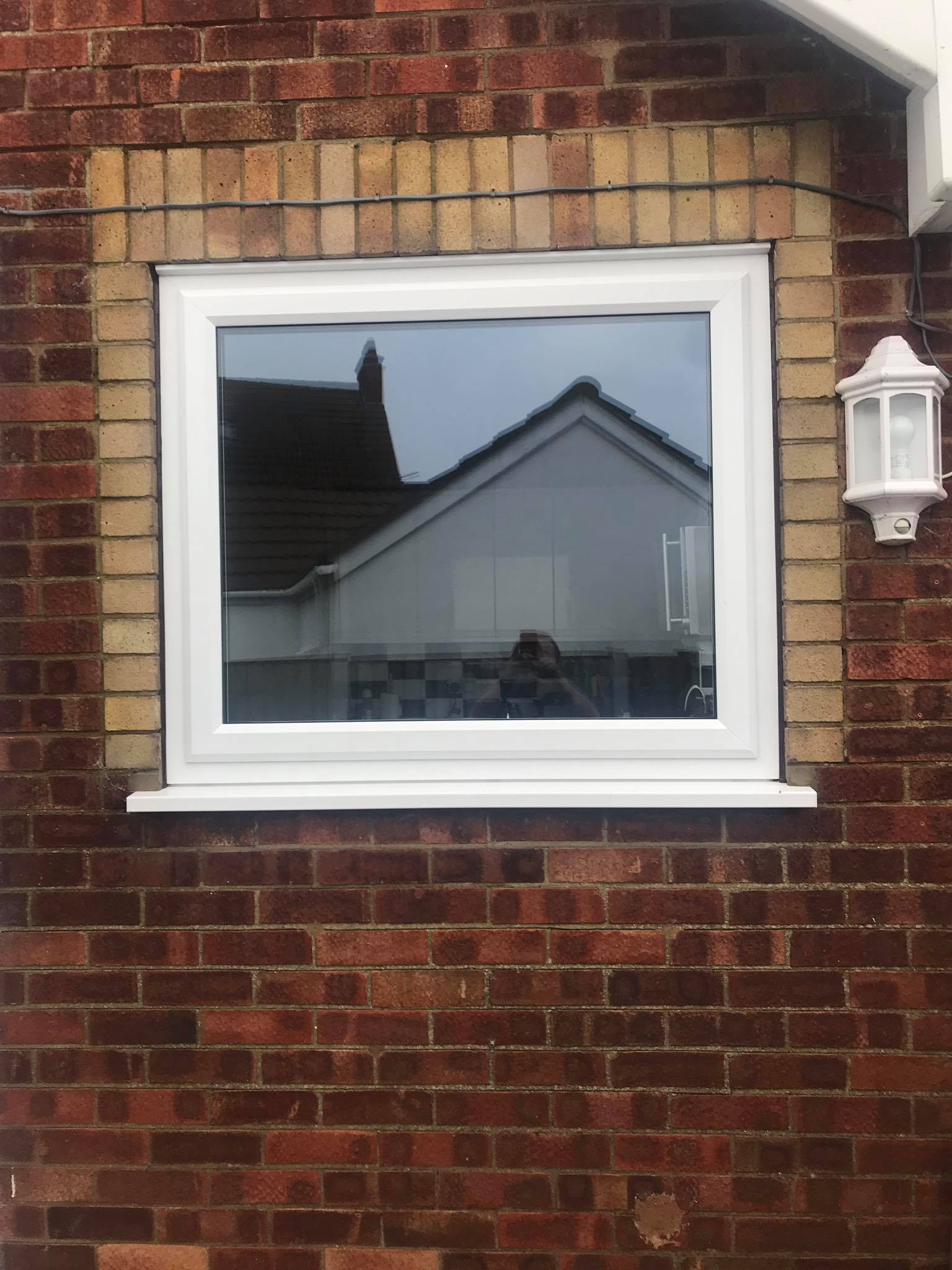
Condensation on the outside of your windows is normal, and on modern double glazing it is usually a sign the windows are doing their job. Good double glazing keeps so much heat inside that the outer pane stays almost as cold as the air outside. On a still, clear night that outer pane can cool below the point at which moisture in the air turns to water, and by morning the outside of the glass is misted over. It clears on its own as the sun comes up or the air warms, and there is nothing to repair.
The two kinds of condensation that do need attention are different. Mist trapped between the two panes means the seal on a sealed unit has failed, and the unit needs replacing. Condensation that keeps forming on the inside of the glass points to too much moisture in the house and not enough ventilation. The rest of this guide explains why the outside of the glass mists, why it happens on some windows and not others, and how to tell the three kinds apart.
Why the outside of the glass gets so cold
An old single glazed window, or early double glazing, let a lot of heat out through the glass. That wasted heat kept the outer pane a few degrees warmer than the air outside, which was enough to stop dew forming on it.
Modern double glazing is built to stop that heat escaping. The Glass and Glazing Federation's guidance on Low-E glass explains that the invisible coating on energy efficient glass reflects heat back into the room, and that thermally efficient windows are so good at keeping the heat in that the outer pane can get cold, because it is no longer being warmed by wasted heat. Under some weather conditions that leads to condensation on the outside of the glass, which the Federation describes as a positive indication of a thermally efficient window.
On a clear night the glass also loses heat upwards to the open sky, which is why the same thing happens to a car windscreen left out overnight. Cloud cover acts like a blanket and stops it, which is why misted windows are much more likely after a clear, still night than a cloudy, windy one.
When it happens, and why some windows and not others
The homeowner's maintenance guide from our supplier, which is in our maintenance guides, describes it closely. External condensation usually appears on clear, calm nights, often after a dry spell, and comes from a combination of cold outside air, local conditions and the insulating properties of the window. It is temporary, it usually clears quickly when conditions change, just like morning dew, and it is not a fault.
The same guide makes a point that worries a lot of people unnecessarily. You may see it on some windows but not others, even on the same house. A window facing open sky cools faster than one under a deep overhang, a porch or a tree, and a window on a sheltered side of the house sits in stiller, slightly warmer air than one facing open ground. None of that means the clear windows are better or the misted ones worse. It means they are sitting in slightly different air.
Autumn and spring often bring the right mix of cold, clear nights and damp air, so this is the time of year it is most often noticed, usually on windows that have not long been fitted.
How to tell which kind of condensation you have
There is a simple test. Wipe the glass with a dry cloth, first on the outside and then on the inside.
If the mist comes off on the outside, it is external condensation and it will clear by itself. If it comes off on the inside, the moisture is coming from inside the house. If it does not come off on either side, it is sitting between the panes, and that means the seal around the sealed unit has broken and damp air has got into the gap. Our supplier's guide is clear that a unit with moisture trapped between the panes has lost its seal and its thermal efficiency, and usually needs replacing. What causes condensation between double glazing explains that kind in more detail, and how to tell if your double glazing has failed covers the other signs to look for.
Condensation on the inside is the one to act on
Condensation on the inside of the glass is more common than on the outside, and it is the one worth doing something about, because over time it can lead to damp and mould. West Lindsey District Council's guide to condensation, damp and mould explains that it comes from moisture produced inside the home, by cooking, washing and drying clothes indoors, meeting a colder surface, and that the answer is ventilating rooms properly, including using trickle vents and ventilating kitchens and bathrooms during and after use.
Our supplier's guide gives the same advice. Keep trickle vents open to help prevent condensation and keep air moving, increase ventilation in humid rooms like kitchens and bathrooms, and consider a dehumidifier where condensation on the inside is persistent. Trickle vents are often taped over because they can feel draughty, and how to stop draughts around windows and doors explains why that tends to swap a draught for a damp problem.
Is there anything you can do about it on the outside?
Mostly, there is no need to. External condensation does no harm to the glass or the frame, and it clears without any help once the sun is up or the air warms. If it is in the way of a view first thing in the morning, the honest answer is to give it a little time.
If you do want to clean the glass, our supplier's guide recommends soapy water followed by a glass cleaner with a soft, grit-free cloth, and warns against solvent-based cleaners, which can damage the glass. On this coast the glass also collects salt and fine sand, so a gentle clean more often than you would inland is worth doing anyway, and how coastal weather affects windows covers the rest of what salt air asks of a window.
What it is not is a reason to replace anything. We would much rather tell you that than quote for windows that are working exactly as they should.
What it says about your windows
A window that mists on the outside on a cold, clear morning is keeping more of your heat indoors than one that never does. That is the whole point of a modern energy rated window, and our windows come A rated as standard. The scale behind that letter is run by the BFRC, which rates windows on heat loss, solar gain and air leakage, and are A-rated windows worth it explains what the rating means for your heating.
So if you have recently had new windows fitted and noticed the outside misting on cold mornings, that is very likely the glass doing what it was designed to do.
When to get in touch
If you are seeing mist between the panes, or condensation on the inside that will not clear however well you ventilate, that is worth having looked at. A failed sealed unit can usually be replaced on its own without changing the frame, and it is one of the repairs we carry out on windows we fitted and on windows we did not.
To arrange a visit, get a free no-obligation quote, or ring Piper Windows on 01754 898 998 and describe what you are seeing. We will tell you honestly whether it needs anything at all.
Thinking about new windows, doors or a conservatory? Request a free no obligation quote or call us on 01754 898 998.