Windows
Choosing the right window style for your home
Published 15 November 2026 by Steve Radford
The right window style is the one the house was built for, adjusted for how each room needs to open. On most post war and modern houses that is a casement window. On a cottage or a period house it is usually a flush casement or a sliding sash, because those are what the original windows were. A bow or bay window is a choice about adding light and space to one room, and a tilt and turn window is the answer where a window cannot open outwards. Aluminium is a material rather than a style, chosen where slim frames and large panes matter.
So the useful order of questions is what the house had to begin with, how each window needs to open, and whether anything about the position changes that, such as an upstairs room that needs an escape window or a sash that would swing out over a path. This guide goes through each style in that light, and then the rules that affect all of them.
Casement windows, the default for good reasons
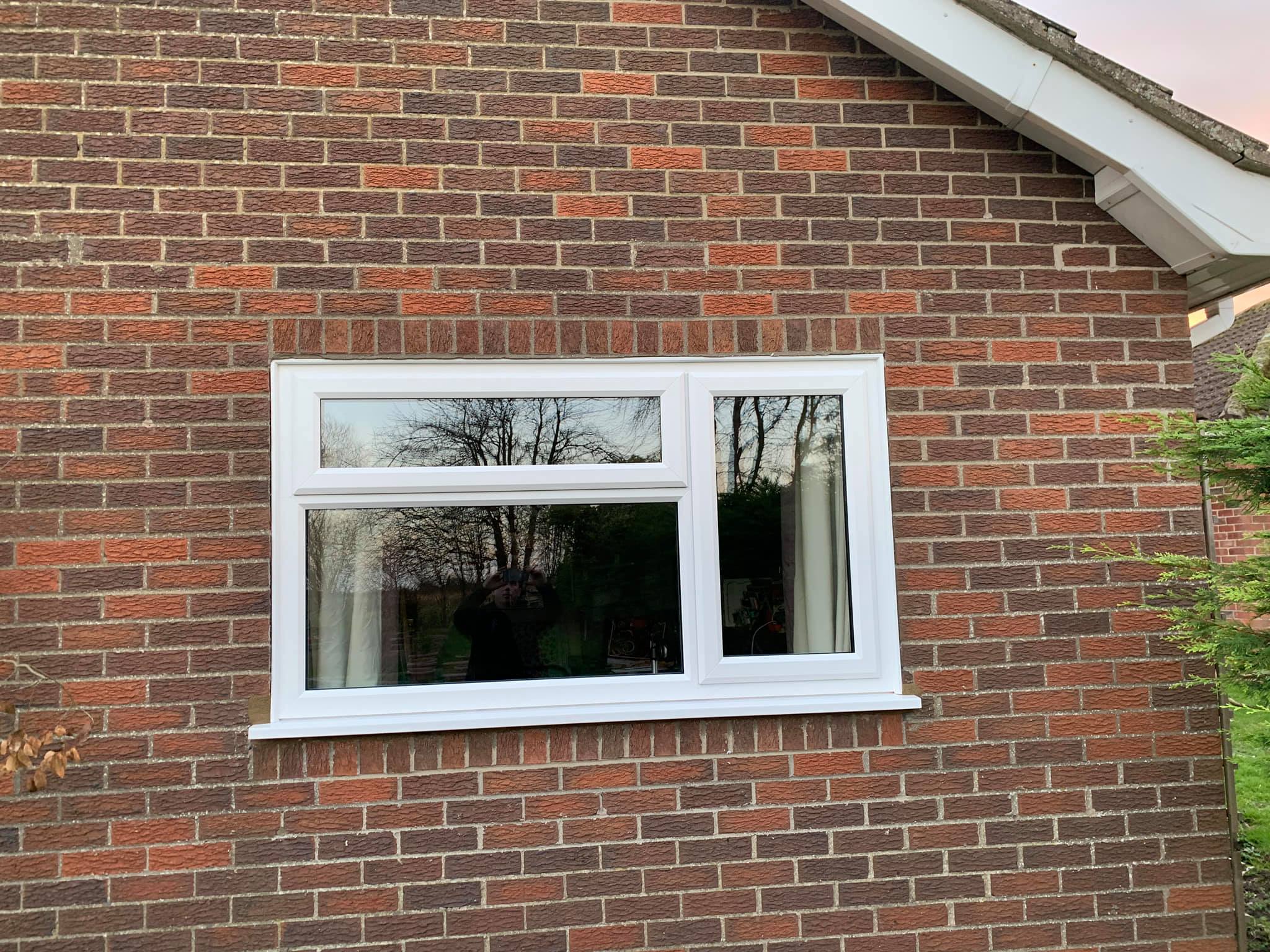
A casement window is hinged at the side or the top and opens outwards. It is the most common window in British homes and our most popular choice, and on a house built with casements it is almost always the right replacement. It seals tightly against the frame all the way round when it is shut, and it is the most economical style to make well.
Ours come with night vent ventilation as standard, fire escape and easi-clean hinges on all side hung sashes, and rail locking for added security. A casement window suits a 1970s semi, a 1990s bungalow and a new build equally, and its proportions can be set to match whatever the house already has.
Flush casements for older houses
A flush casement opens in exactly the same way, but the sash closes into the frame and sits level with it rather than standing proud. That is how traditional timber casements were built, and it is why a flush casement is the one to look at on a cottage or a period house. Ours are a symmetrical design, conservation area friendly, and a low maintenance, thermally efficient alternative to timber. Casement vs flush windows covers the difference between the two in detail, including what a conservation area changes.
Sliding sash windows for Georgian and Victorian houses
A sliding sash opens vertically, one sash passing the other, the way the original windows on Georgian and Victorian houses did. If a house was built with sashes, a casement in the same opening changes the look of the whole front, and a sash is the honest replacement. Getting the horns, the glazing bars and the pattern of panes right is most of what makes a new sash look as though it belongs.
Our sliding sash windows tilt inwards so both faces of the glass can be cleaned from inside the room, which upstairs saves a ladder or a window cleaner. They are A+ rated as standard and designed with security in mind, so the period look does not cost you warmth. Windows for older Lincolnshire homes goes further into matching original details on older houses.
Bow and bay windows for light and space
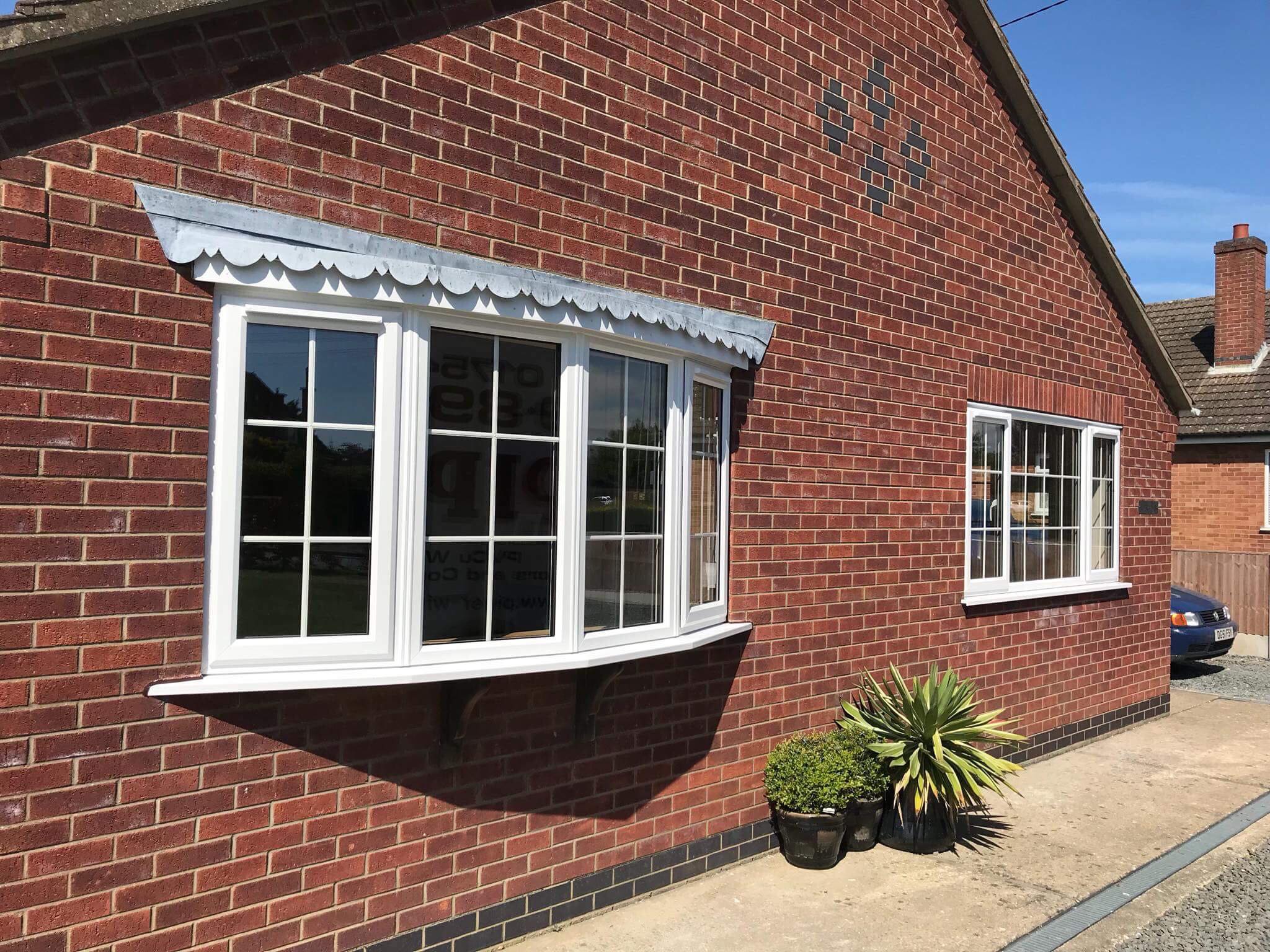
A bow or bay window projects out from the wall, so it adds floor space to the room behind and lets light in from three directions rather than one. The difference is the shape. A bay is angled, with flat sections meeting at corner posts, and tends to suit a period frontage. A bow is a gentle curve made from more, narrower panes, and tends to suit a softer or more modern look. Both need proper support above them, because they carry the wall over the top, and how that is done on your house is worked out at the survey.
Replacing an existing bow or bay window is a like for like job. Adding a new one where there was a flat window before is different, because the Planning Portal's planning guidance on doors and windows says a new bay window is treated as an extension and may need planning permission. Worth knowing before the design is settled.
Tilt and turn where a window cannot open outwards
A tilt and turn window gives two positions from one handle. Turn it once and the top tilts inwards for ventilation, turn it further and the whole sash swings inwards like a door. Because it opens inwards it takes up no space outside, which makes it the sensible choice above a balcony, a walkway or a narrow side path where an outward opening sash would be in the way. It is also easy to clean from inside, since the outside of the glass comes to you.
The thing to check is the room. A tilt and turn sash needs clear space inside to swing into, so it suits a window without a deep sill full of plants or a bed pushed up against it.
Aluminium for slim frames and big glass
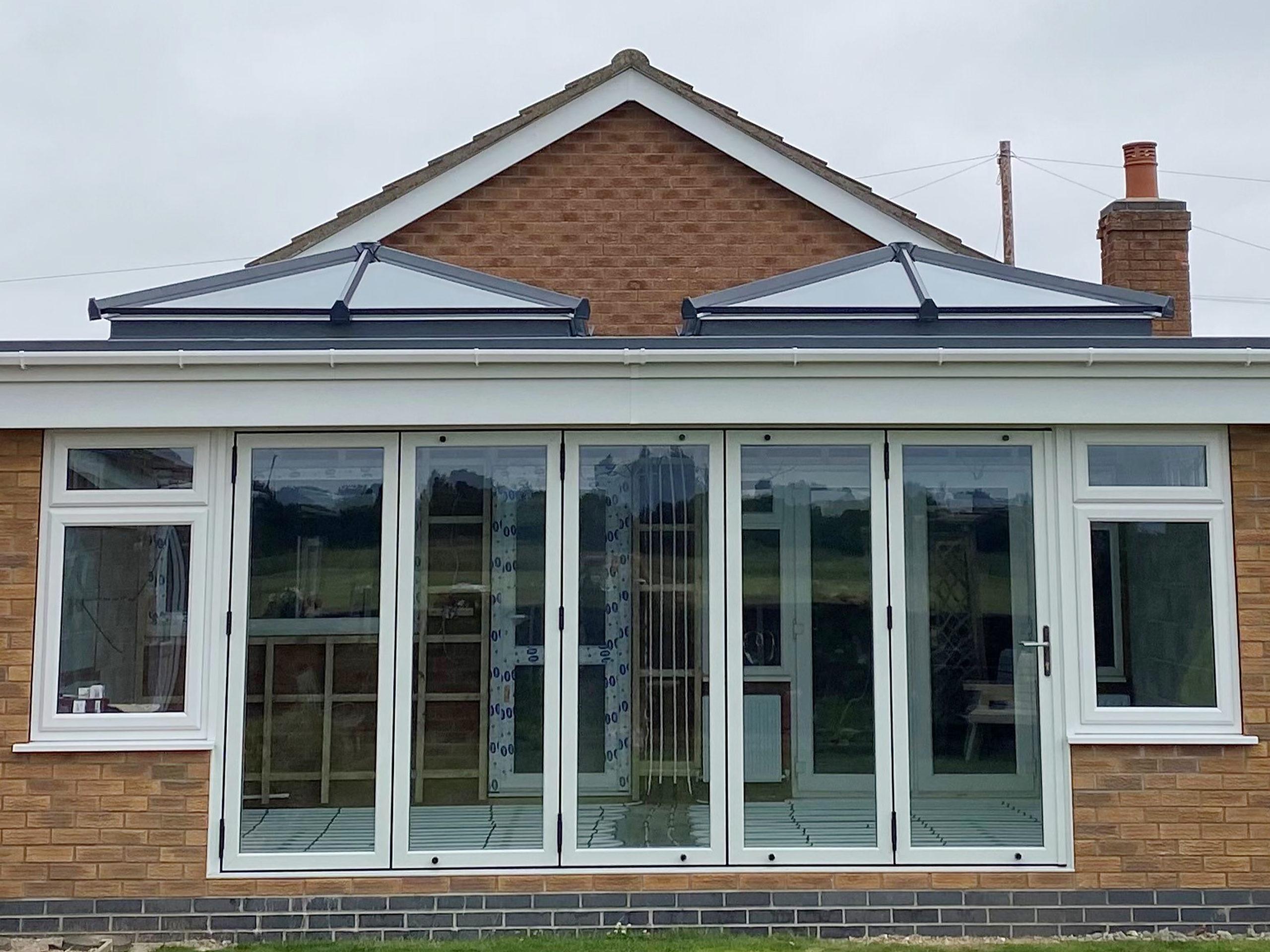
Aluminium is strong for its size, so the frame holding a pane of glass can be much slimmer than a PVCu one. That means more glass and less frame, which is why aluminium windows are the usual answer on large openings and contemporary houses. They are durable and easy to maintain. They also cost more, so they earn their place on a big opening where the sightlines matter more than on a small bedroom window. Aluminium vs uPVC windows sets out where the difference is worth paying for.
Match each room, not just the house
Once the style for the house is settled, each room can be looked at on its own. Which panes actually need to open is worth going through room by room, because every opening sash adds cost and a fixed pane gives an uninterrupted view. Kitchens and bathrooms need good ventilation, which is where night vents and trickle vents earn their keep, and those vents are best left open rather than taped over, for the reasons in how to stop draughts around windows and doors.
Upstairs rooms need one more check. The Planning Portal's guidance on building regulations for windows says that where a window is an escape route, the new opening should provide at least the same potential for escape as the window it replaces. That affects which sash opens and how it is hung, and it is one of the reasons the escape hinges on our casements matter on a bedroom window.
Colour, glazing bars and energy rating
Style is only part of how a window looks. The colour, and whether there are glazing bars, change the impression from the street as much as the opening does, and choosing the right colour for your windows and doors covers that in detail.
Whatever the style, compare windows on their energy rating rather than on a description. The BFRC rates windows from A++ to E on heat loss, solar gain and air leakage, and a genuine rated window carries a small official label on the inside of the frame. Our windows come A rated as standard and our sliding sashes A+ rated, and are A-rated windows worth it explains what the letters mean for your heating.
When the window you have is not the problem
Before choosing a new style at all, it is worth being sure the existing windows really need replacing. A window that is draughty or stiff is often a seal or a hinge rather than a failed window, and misting between the panes is very often a sealed unit rather than the frame. Both are repairs, and our repairs service covers windows we did not fit as well as our own.
On an exposed coastal elevation, the specification behind the style matters as much as the style itself, and the best windows for coastal homes covers what to ask for by the sea.
Seeing the styles on real houses
Styles are much easier to choose between in person than on a screen. Our windows gallery shows windows we have fitted on houses across the area, the ranges are in the window brochures, and you are welcome to call in at the Piper Windows showroom on Church Lane in Winthorpe. To talk it through for your own house, get a free no-obligation quote and we will come out and measure up, or ring us on 01754 898 998.
Thinking about new windows, doors or a conservatory? Request a free no obligation quote or call us on 01754 898 998.